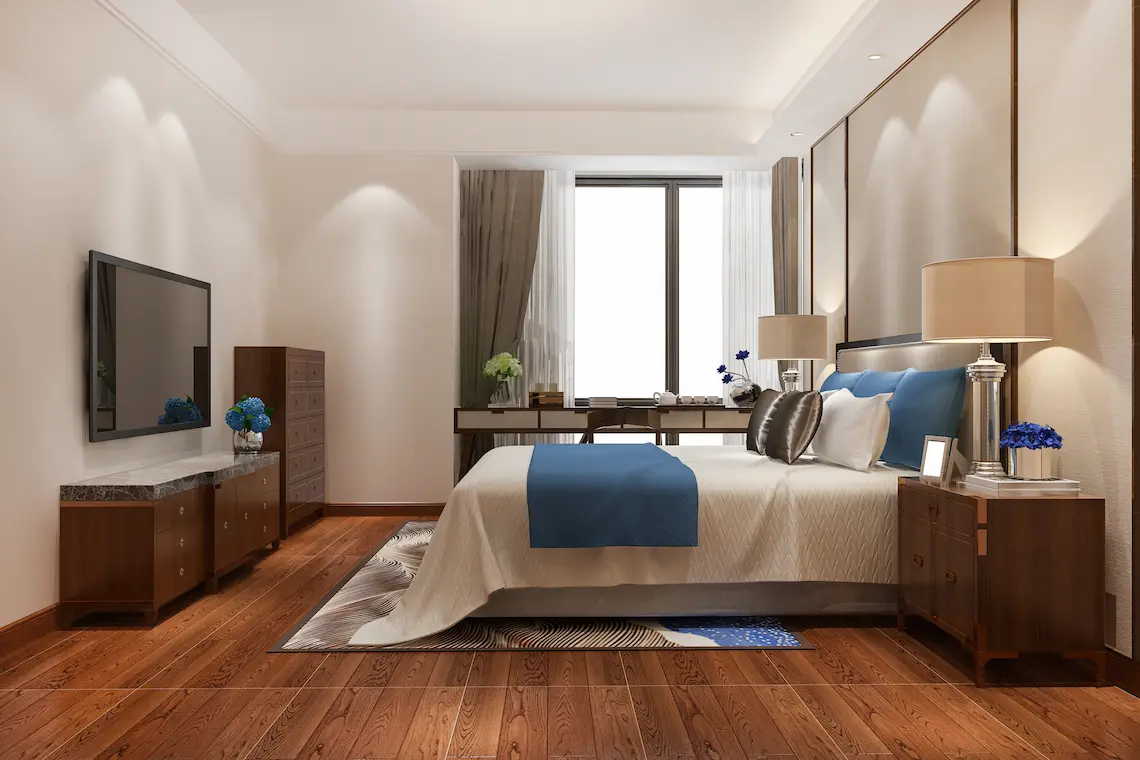
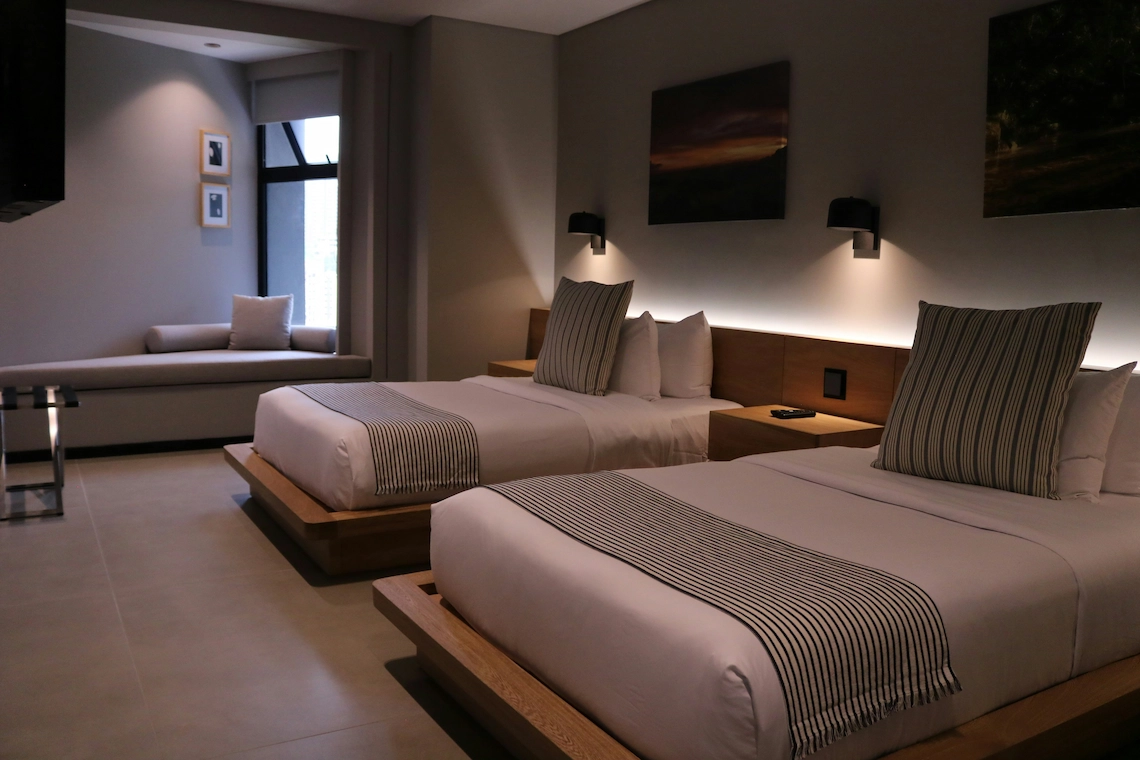
A bedroom is a place where we rest, refresh, and dream. In UK homes, the size of a bedroom is like the stage of a play; it sets the mood and space for life’s everyday acts. For many families, especially those buying or renting their first home, knowing the right bedroom size is like having a map before a journey. This helps people choose a home that feels roomy and cosy, not tight and cluttered.
Many people think any small room can be called a bedroom, but in the UK, there are guidelines on how big a proper bedroom should be. These help builders, landlords, and home buyers make sure a bedroom is safe and comfortable, like a well-fitted pair of shoes rather than a tight one. In this article, you will learn what size a standard single bedroom usually is in UK residential homes, and why this matters to families and renters.
What Is a Single Bedroom?
A single bedroom is a room made for one person to sleep in. It usually contains a bed, a wardrobe, and maybe a small desk or drawer. A standard single bed in the UK normally measures around 90 cm x 190 cm, or 3 feet by 6 feet 3 inches. This bed is like the heart of the room; the rest of the space circles around it like the hands around a clock.
When planning a small bedroom, it’s like fitting pieces into a jigsaw puzzle. You want space for walking, opening doors, and maybe a small chair, not just the bed. That’s why a room just big enough for the bed isn’t always enough for daily use. So, space beyond the bed itself is very important.
Minimum and Recommended Sizes
In the UK, there is no single law that applies to all homes about bedroom size. However, designers and planners use a guide called the Nationally Described Space Standard (NDSS). According to this, a proper single bedroom should have:
- At least 7.5 square metres of floor area
- And should be at least 2.15 metres wide
This standard is like a rule of thumb that helps people decide if a room gives enough space for a bed, clothes, and a little room to breathe. In plain words, a room of about 7.5 square metres is the smallest size planners expect for a single bedroom. Think of it as a small living pond that still lets the fish move freely, not a puddle where they are cramped.
In everyday homes, people might make single bedrooms a bit bigger, maybe around 8 to 9 square metres, because this gives more comfort for furniture or moving around. Some older houses even have bedrooms the size of a large square on a football pitch compared to new builds, which sometimes shrink rooms to save space elsewhere.
Differences Between Types of Bedrooms
It helps to picture different bedroom types like different sizes of boxes.
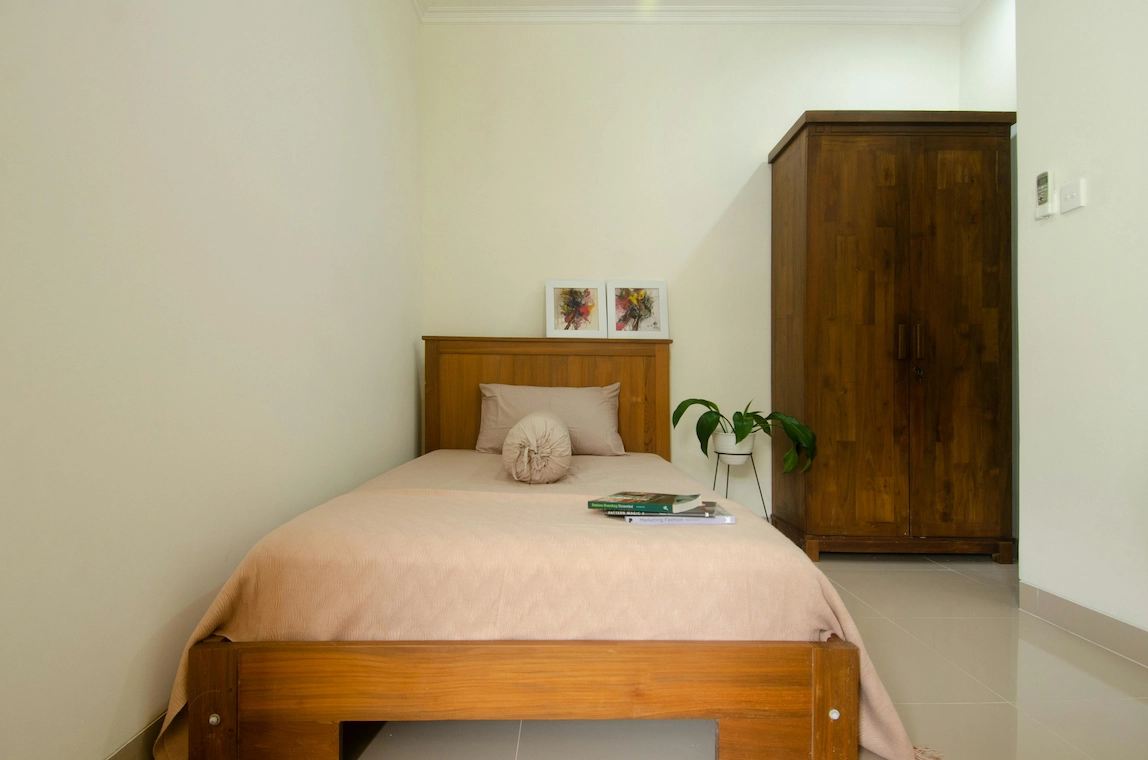
- A single bedroom is the smallest box, just enough for one bed and some items.
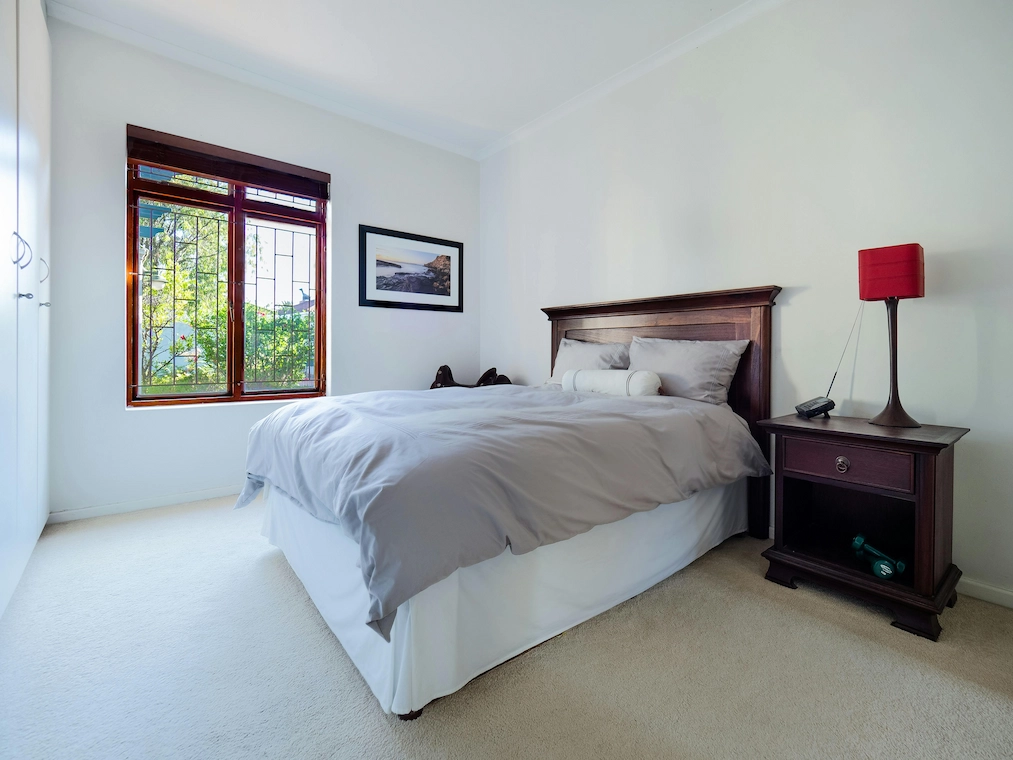
- A double bedroom is like a medium-sized box; it can hold a bigger bed and more furniture.
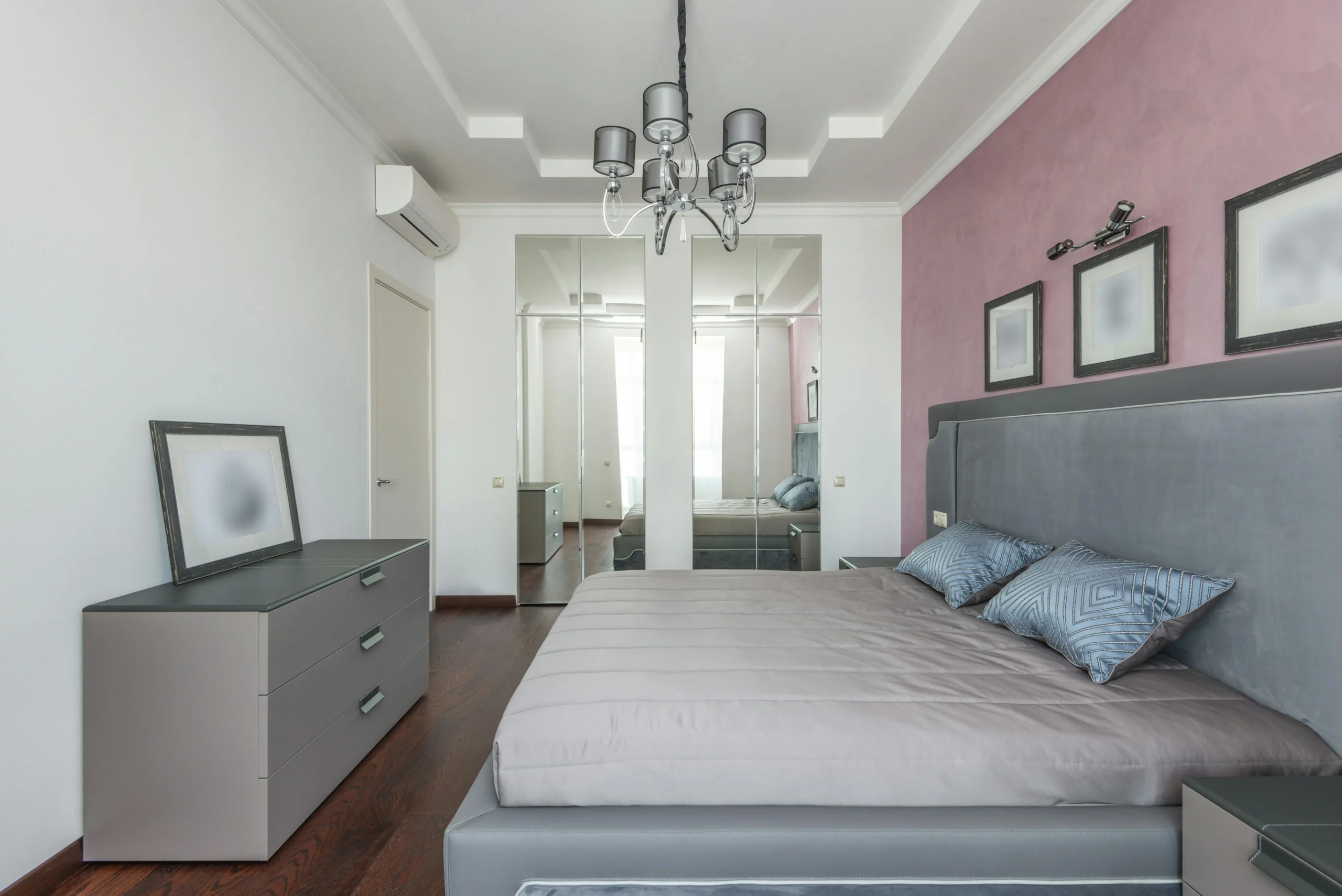
- A master bedroom or main bedroom is the biggest box with more space for relaxing and sometimes a sitting corner.
Compared to a single bedroom, a double bedroom should be about 11.5 square metres or more. This is like comparing a small room to a room where two people can dance without bumping into each other.
Why Size Matters
1. Comfort and Movement
If a bedroom is too small, people may feel squeezed, much like wearing shoes that are too tight. There should be room not just for the bed, but also to walk around without bumping into things. This keeps the bedroom feeling calm, not like a maze of furniture. Designers suggest leaving space around the bed so people can move freely.
2. Fit for Furniture
Besides the bed, most people want a wardrobe, a bedside table, and maybe a small desk. If the bedroom is only just big enough for the bed but no extra space, the furniture must be placed like pieces of a puzzle that do not quite fit. A slightly bigger room helps all items fit in a way that feels open, not tight.
3. Legal and Rental Requirements
For homes that are rented out, especially shared houses called HMOs (Houses in Multiple Occupation), the rules are stricter. A single room for one person over age 10 must be at least 6.51 square metres. Yes, this is slightly less than the NDSS, but this minimum is like letting a plant grow in a small pot. It works, but it’s not ideal for healthy growth.
Examples of Single Bedroom Sizes
Here are some helpful sizes to picture:
- Minimum recommended size: 7.5 sq m — enough for a bed and small furniture.
- Common room size in many homes: 8 – 9 sq m — a bit more breathing space.
- Minimum rental standard (HMO): 6.51 sq m — small but allowed for one adult.
So, a bedroom of about 8 square metres is like having a cosy little nest, while smaller sizes may feel tight if furniture fills most of the floor.
How to Use This Information
If you are planning a home renovation, buying a house, or choosing a rental, knowing these sizes helps you know what to expect. Always measure the room floor before deciding, and imagine where your bed and furniture will go. It’s like drawing a guide on paper before building a sandcastle; it saves time and effort later.
In housing adverts, remember that a room might be called a “single bedroom,” but the true size might be less than ideal. So look at measurements, not just labels.
Final Words
A standard single bedroom in UK homes should be enough for one person to sleep and live comfortably. A floor space of around 7.5 to 9 square metres gives room for a bed, drawers, and a small desk. This size allows moving around like a leaf drifting on a calm pond, slow and free, not rushed and cramped. When buying or renting, understanding room size is like knowing the width of a path before you walk it. It helps avoid stepping into tight corners.
By keeping these simple size points in mind, your bedroom can become a place of rest and peace, not a cramped box where the walls seem to lean in.
FAQs
1. What is the standard single bedroom size in the UK?
A standard single bedroom in the UK is usually at least 7.5 square metres. It should also be at least 2.15 metres wide. This size gives enough space for one bed and small furniture.
2. Is there a legal minimum bedroom size in the UK?
Yes. For rented homes, especially HMOs, the minimum size for one adult is 6.51 square metres. Rooms smaller than this cannot legally be used as a bedroom for one person.
3. Is a 10×10 bedroom too small?
A 10×10 bedroom is 100 square feet (about 9.3 square metres). This is not too small for one person. In fact, it is slightly bigger than the minimum single bedroom size in the UK.
4. Is a 12×12 bedroom small?
No, a 12×12 bedroom (144 square feet or about 13.3 square metres) is not small. It is bigger than a standard single bedroom and can even fit a small double bed comfortably.
5. Is a 120 sq ft bedroom small?
A 120 square foot bedroom is about 11 square metres. This is bigger than the minimum size for a single bedroom in the UK. It should feel comfortable for one person, like a cosy but open space.