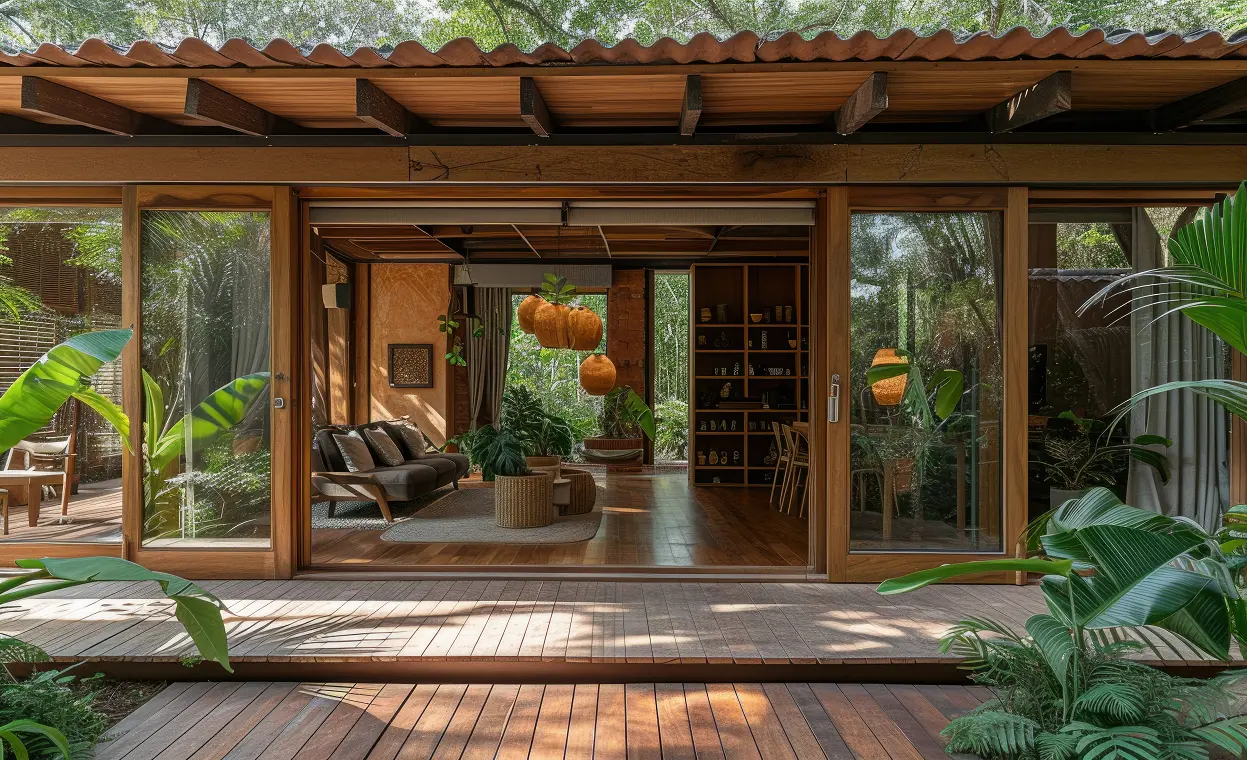
An orangery extension adds space without making a home feel cold or boxed in. It brings light inside while keeping the room strong and comfortable. Many homeowners in the UK choose this option because it feels like a true part of the house, not just an extra space added at the back.
Think of an orangery as a calm middle ground. It sits between a bright glass room and a solid brick extension. This balance makes it useful all year, not only on sunny days.
What Is an Orangery?
Many people ask what an orangery is and why it feels different from other extensions.
An orangery is a room built with solid walls, large windows, and a roof that allows light to enter from above. The roof often has a central glass section, called a lantern, which spreads daylight across the room. Brick walls support the structure and help keep warmth inside.
In the past, people used orangeries to protect fruit trees from cold weather. Today, homeowners use them as living rooms, dining spaces, or kitchen extensions. An orangery feels grounded, like it belongs to the home from the start.
Why Orangery Extensions Work Well in the UK
UK weather changes often. Rain, wind, and cold days make full glass rooms hard to enjoy. An orangery extension solves this problem by using brick, insulation, and smart glazing.
This type of extension also suits many home styles. Traditional houses, modern builds, and cottages can all support an orangery design. It blends in rather than standing out.
Because the structure looks solid and permanent, many councils view orangeries more kindly than lightweight glass rooms.
Orangery Extension vs Conservatory
People often compare these two options before making a choice.
A conservatory relies heavily on glass. While it looks bright, it can trap heat in summer and lose warmth in winter. An orangery uses more brick and a stronger roof, which helps control temperature.
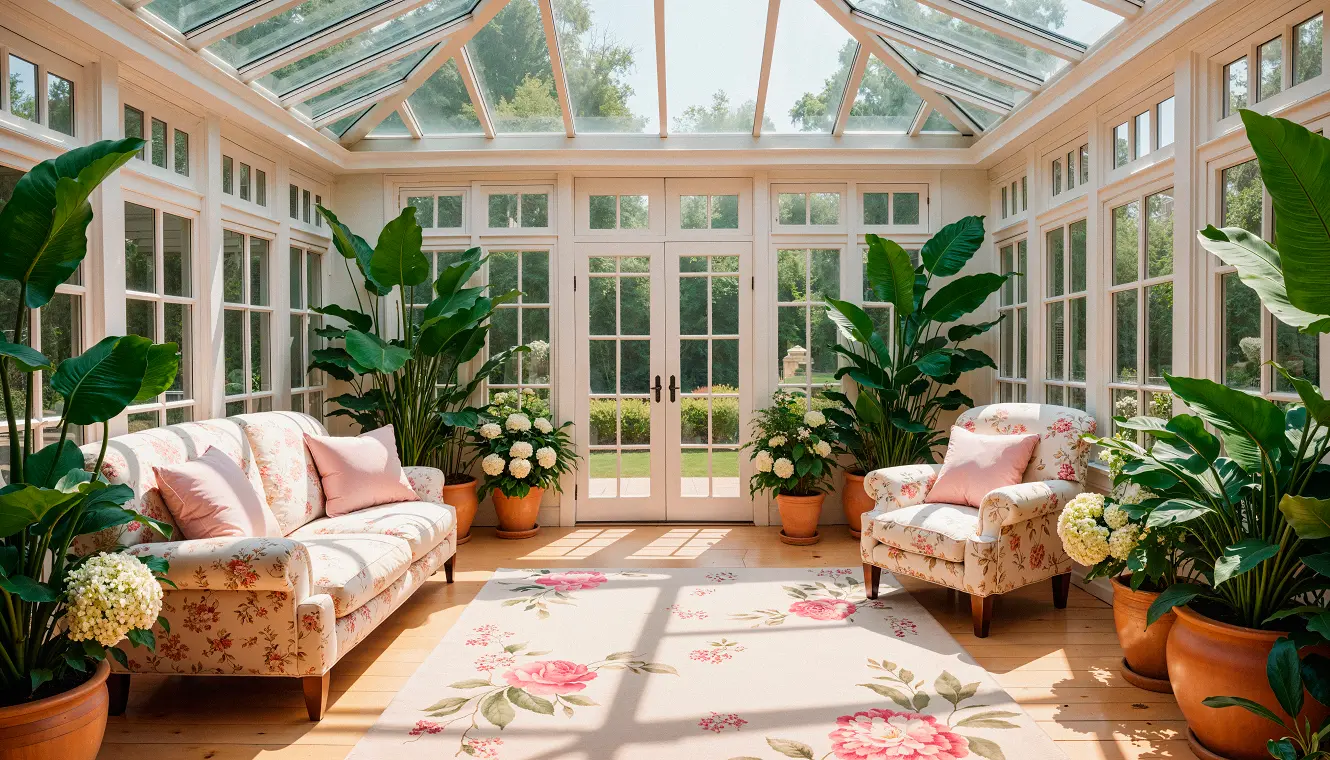
If a conservatory feels like sitting inside a greenhouse, an orangery feels like sitting beside a large window on a calm day. That comfort makes the difference.
Popular Orangery Extension Design Ideas
Design choices shape how the space feels every day. Small details often matter the most.
Roof Lanterns Bring the Light In
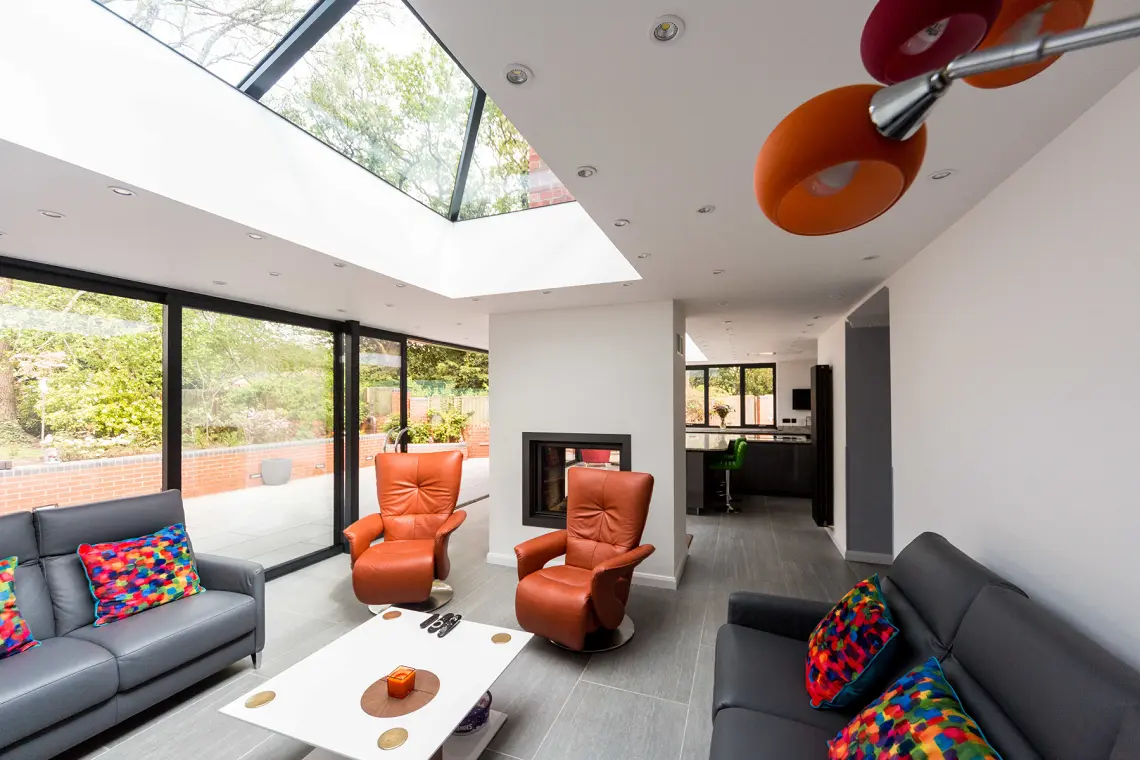
A roof lantern sits at the top of the orangery and pulls light downward. It works like a soft spotlight from the sky. Even on grey days, the room stays bright.
Brick and Window Balance
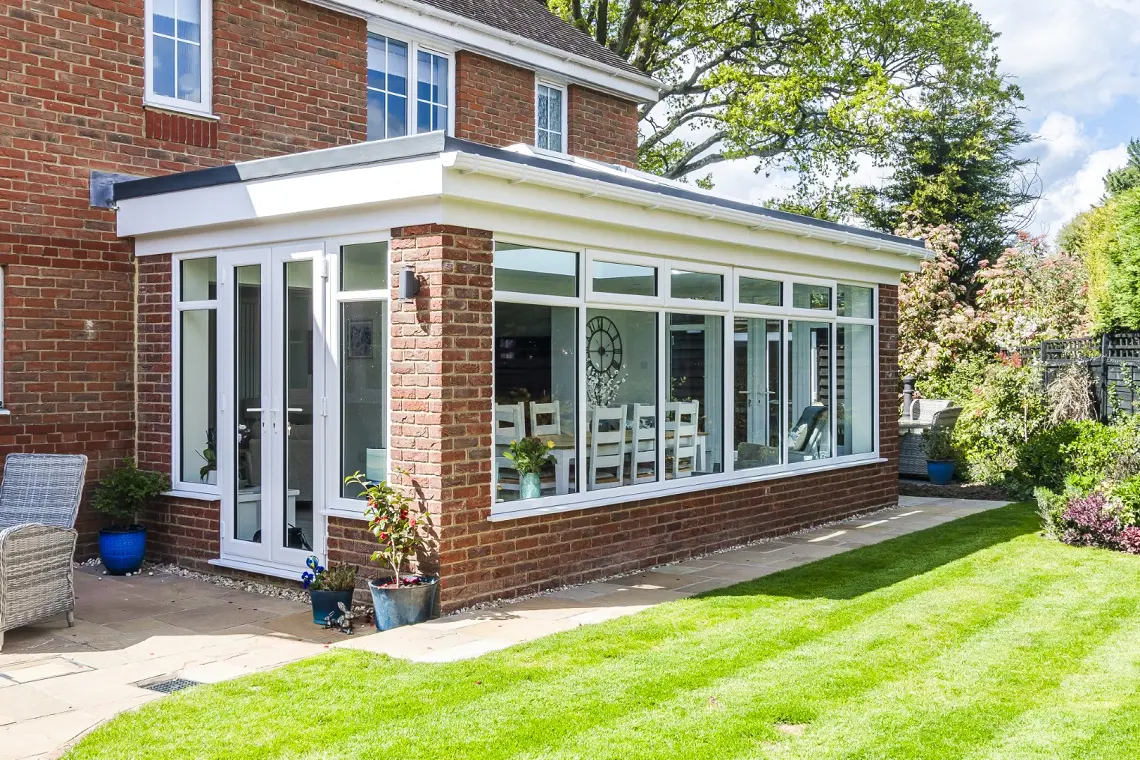
Low brick walls give the room strength. Tall windows let daylight flow through. This mix creates a peaceful space that never feels too open or too closed.
Open Connections to the Home
Many homeowners remove the rear wall of the house to link the orangery with the kitchen or living area. The rooms then flow together, like water moving through a wide stream.
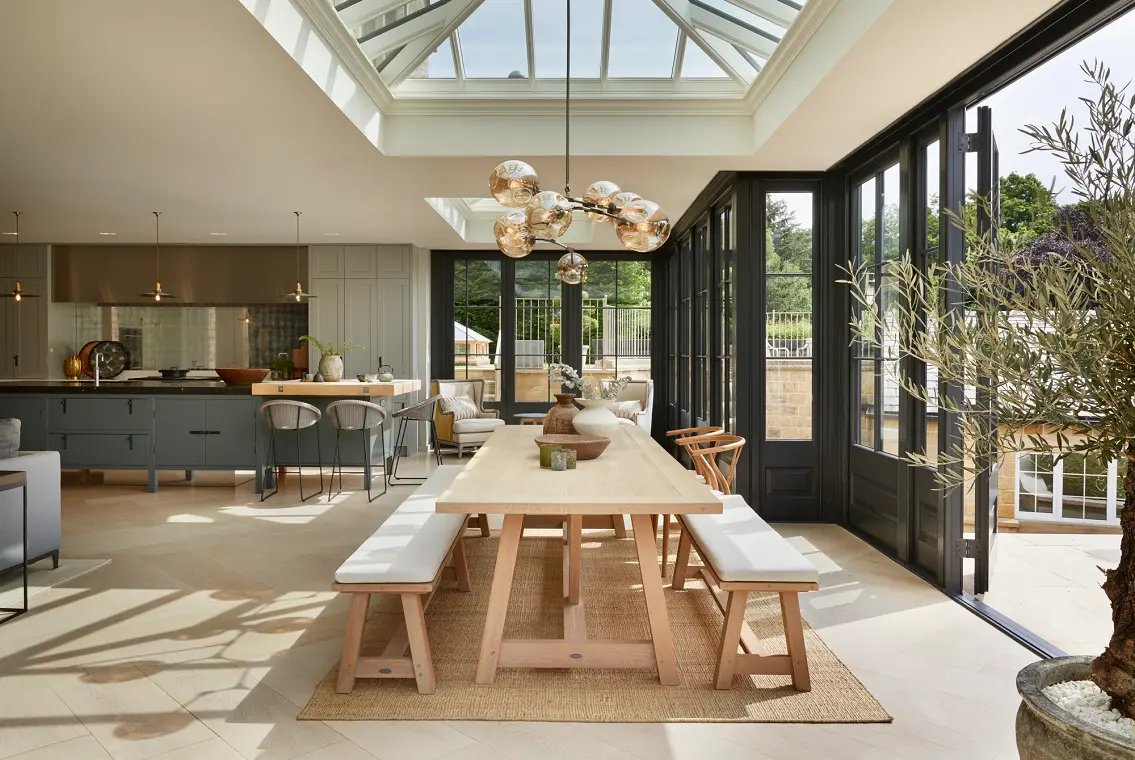
Floor Choices That Feel Right
Stone tiles, wood-look flooring, or polished concrete all work well. Underfloor heating keeps feet warm and removes the need for bulky radiators.
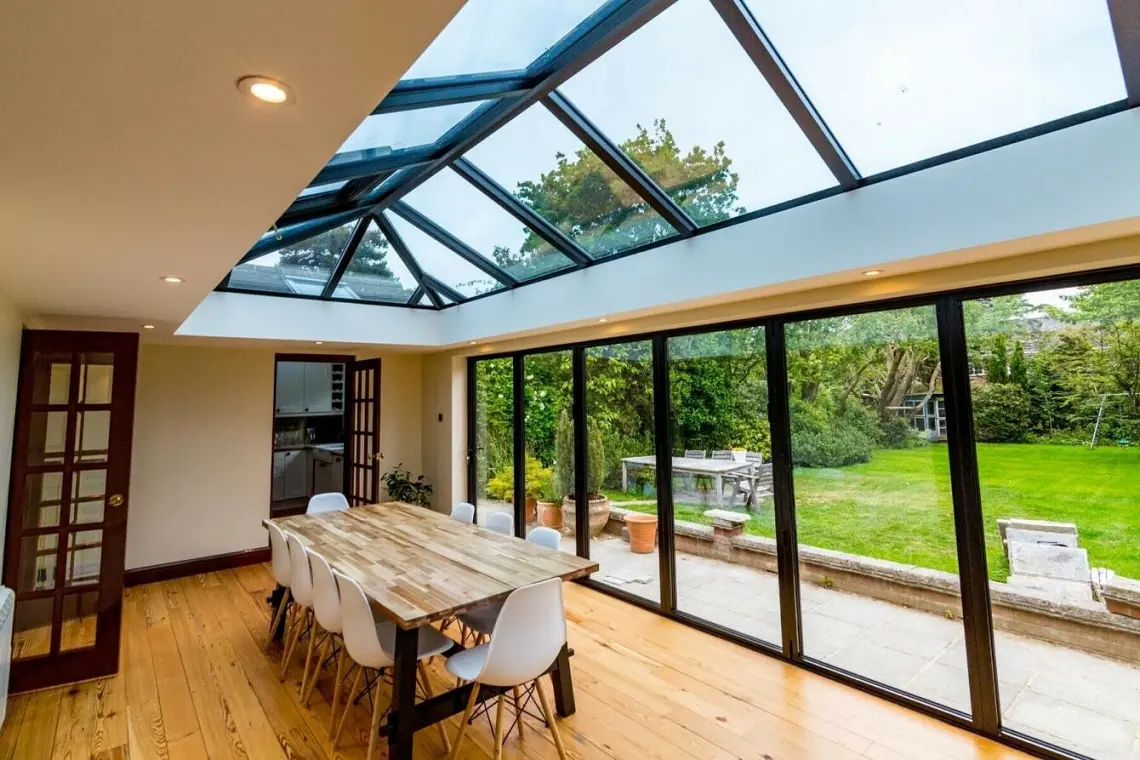
How Much Does an Orangery Extension Cost?
Orangery extension costs in the UK depend on size, materials, and finishes.
Most projects start around £20,000 to £30,000. Larger or more detailed designs can rise to £40,000 or more.
Several factors affect the price:
- Size of the space
- Quality of brick and glass
- Type of roof lantern
- Heating and lighting choices
- Interior finishes
Think of the cost like building a strong chair. Better materials cost more, but they last longer and feel better to use.
Planning Permission and Building Rules
Many orangery extensions fall under permitted development rules. This means you may not need planning permission if the size stays within limits.
Still, building rules apply. These rules cover insulation, structure, and safety. Inspectors check the work to keep everything safe and sound.
Homes in conservation areas or listed buildings often need permission. A local builder can help guide this step.
How Long Does an Orangery Extension Take to Build?
Most orangery projects take between six and ten weeks once work begins.
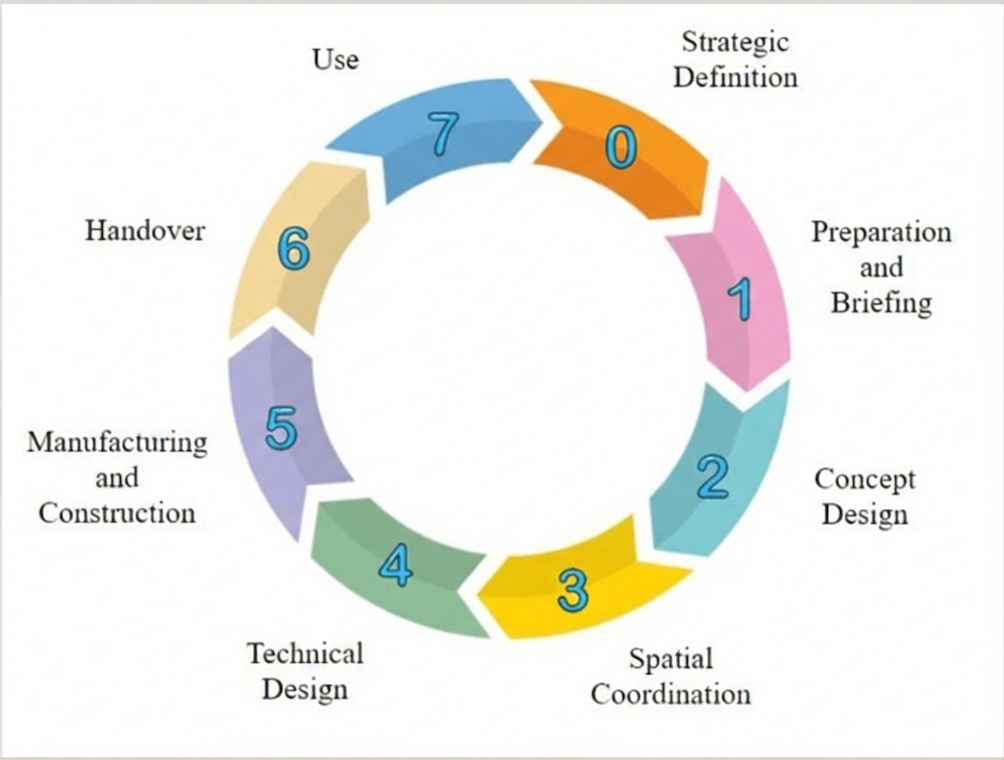
The build often follows this order:
- Ground preparation
- Brick walls and structure
- Roof and glazing
- Interior finishes
Good planning helps avoid delays and keeps stress low.
Benefits of an Orangery Extension
An orangery extension offers comfort, style, and practical value.
Comfort in Every Season
Solid walls and insulation help keep the room warm in winter and cool in summer.
More Living Space
The room works as a dining area, family room, office, or quiet place to relax.
Better Home Value
Buyers often see an orangery as a real room, which can make a home more appealing.
Natural Light Without Harsh Heat
Large windows allow soft light to fill the space without glare.
An orangery feels like a gentle bridge between indoors and outdoors.
Easy Maintenance Over Time
Orangeries need little upkeep. Clean the glass a few times a year to keep light flowing in. Check seals and gutters after winter so rainwater drains away properly. Brickwork stays strong with very little care and does not fade or peel like painted surfaces.
Frames and roof lanterns use modern materials that resist rust and wear. A quick wipe removes dust and marks. Unlike full glass rooms, an orangery does not overheat or trap moisture, which helps prevent mould and damage.
Is an Orangery Right for You?
An orangery extension suits people who want more space without giving up comfort. It works well for families who need a bright dining area, couples who want a quiet place to relax, or anyone who enjoys daylight without feeling too exposed.
This type of extension fits homes where balance matters. You get light, but also privacy. You get space, but still feel connected to the house.
FAQs
Is it cheaper to build an orangery or an extension?
An orangery is usually cheaper than a full house extension because it uses more glass and less brickwork.
How much is an orangery extension?
Most orangery extensions cost between £20,000 and £40,000, depending on size and design.
Do you need planning permission for an orangery extension?
Often no, but you must follow building rules. Always check with your local council.
Is an orangery warmer than a conservatory?
Yes. An orangery keeps heat better because of solid walls and an insulated roof.
Final Thoughts
An orangery extension adds more than space. It brings comfort and a sense of ease. Light moves gently through the room, warmth stays where it should, and the space feels solid without feeling heavy.
With thoughtful design and good planning, an orangery can grow into the heart of the home. It becomes a place for slow mornings, shared meals, and quiet evenings. Over time, it does not just look good; it starts to feel like it has always belonged there.