Window shutters interior designs are like quiet guides for light and privacy. They stand firm at the windows and shape how a room feels every day. In modern homes, where clean lines and calm spaces matter, interior shutters fit in with ease.
Unlike curtains that move and gather dust, shutters stay neat and steady. They look built-in, as if they belong there from the start. With the right styling, they can make a room feel brighter, wider, and more peaceful. This guide explains how to style interior window shutters in modern homes in a simple and clear way.
Why Interior Window Shutters Suit Modern Homes
Modern homes are about balance. Too many patterns or layers can feel heavy. That is why window shutters interior styles work so well. They keep windows sharp and tidy, like a frame around a picture.
Shutters control light in a gentle way. You can tilt the slats to let in soft sunshine or close them for shade. This control feels smooth, like turning a dimmer switch instead of flipping a harsh light on or off.
Another reason people choose shutters is their long life. They do not fade or sag like fabric. Over time, they keep their shape and strength, which suits modern homes built for comfort and ease.
Common Types of Interior Window Shutters
To style shutters well, it helps to know the main types. Each one works best in certain spaces.
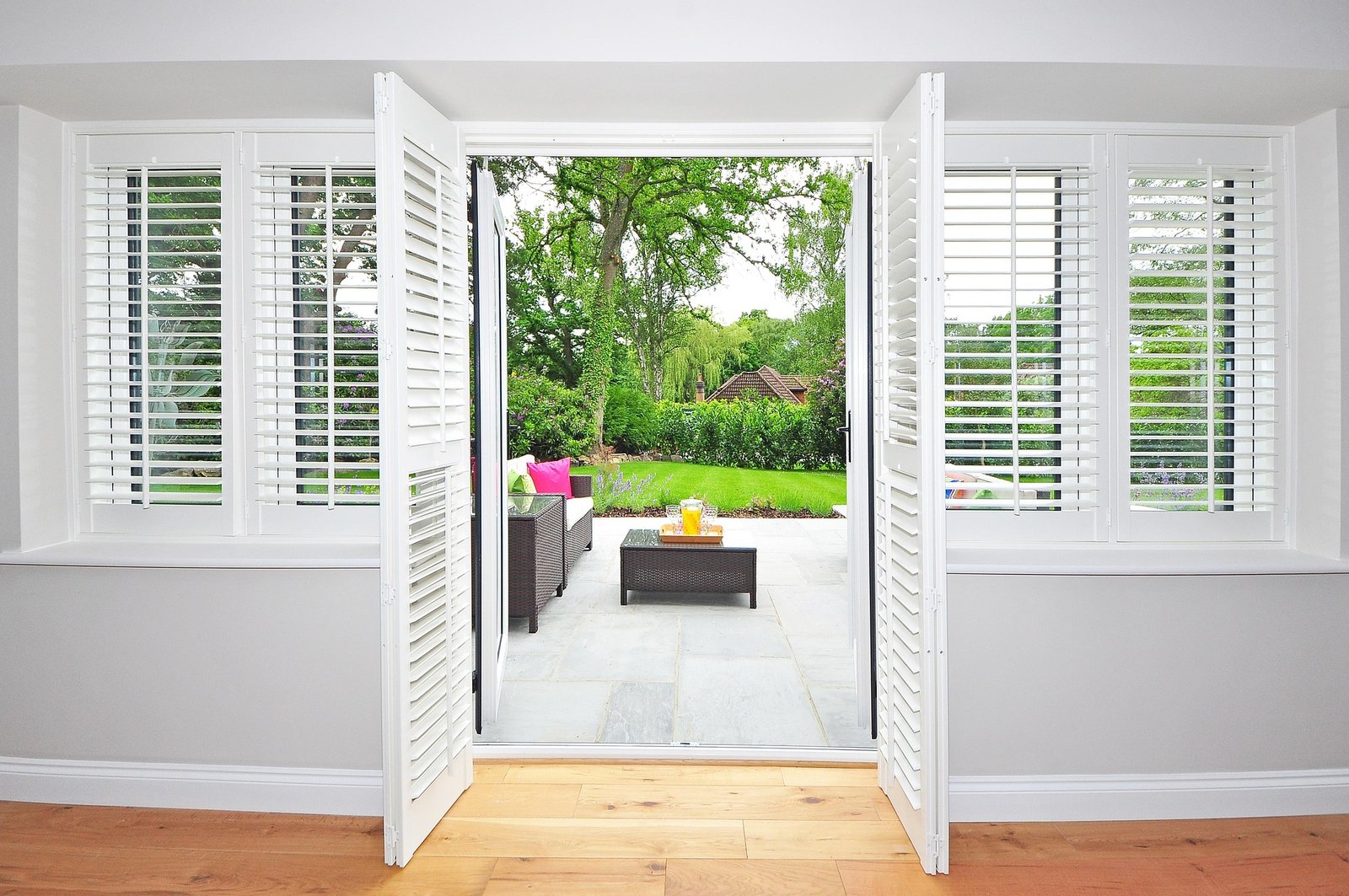
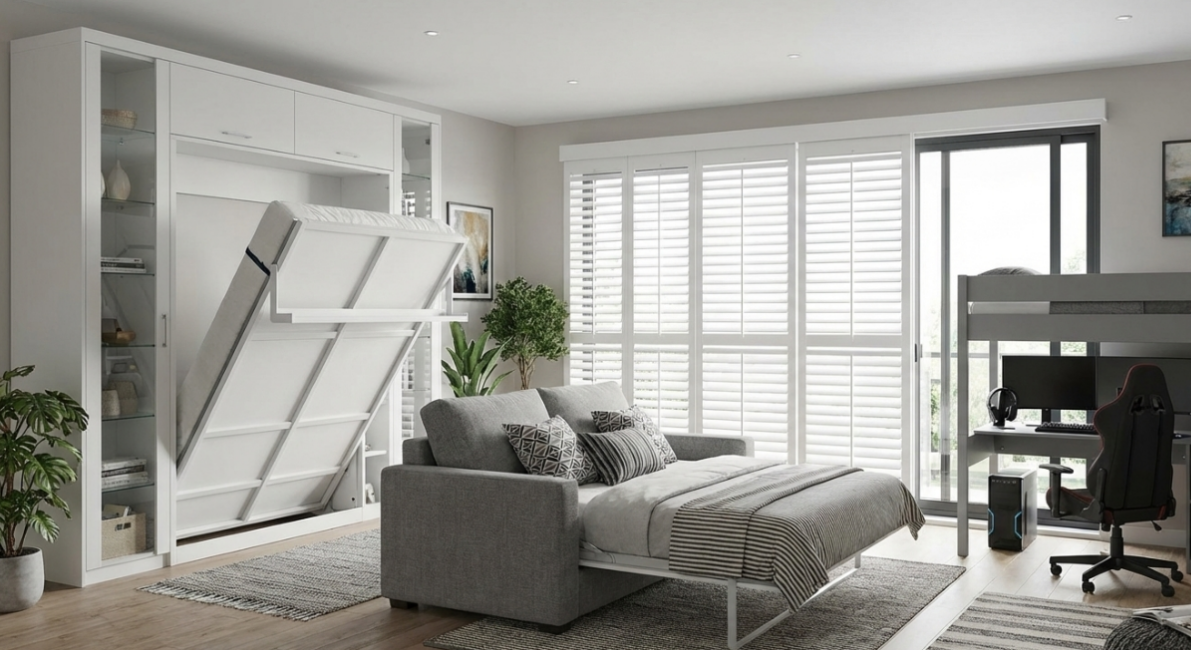
Full-height shutters cover the entire window. They look clean and simple, which fits modern living rooms and bedrooms.
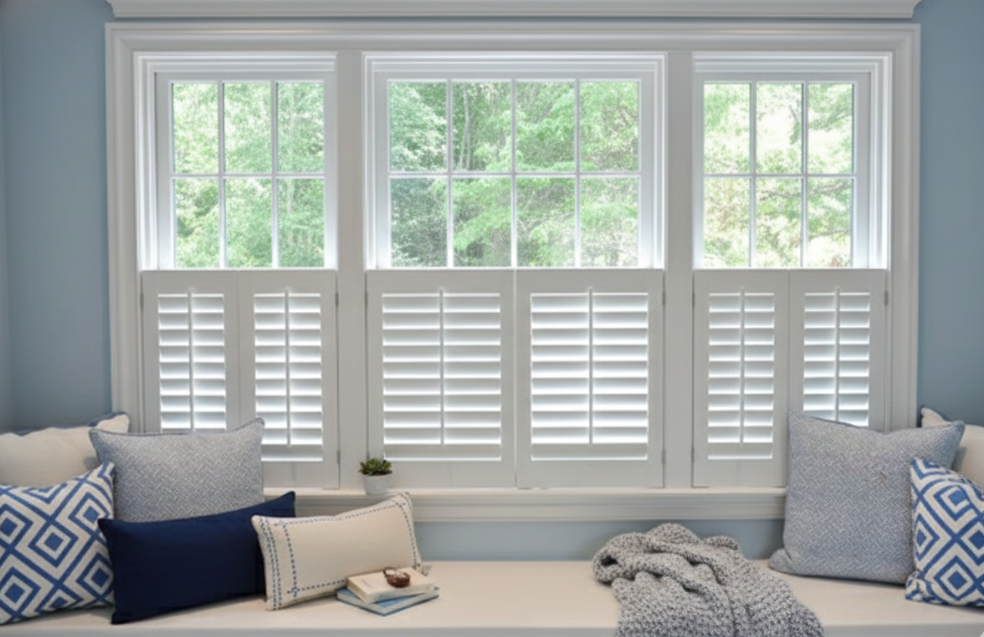
Cafe-style shutters cover only the lower half of the window. They bring privacy while letting daylight flow in from the top. These feel light and friendly.
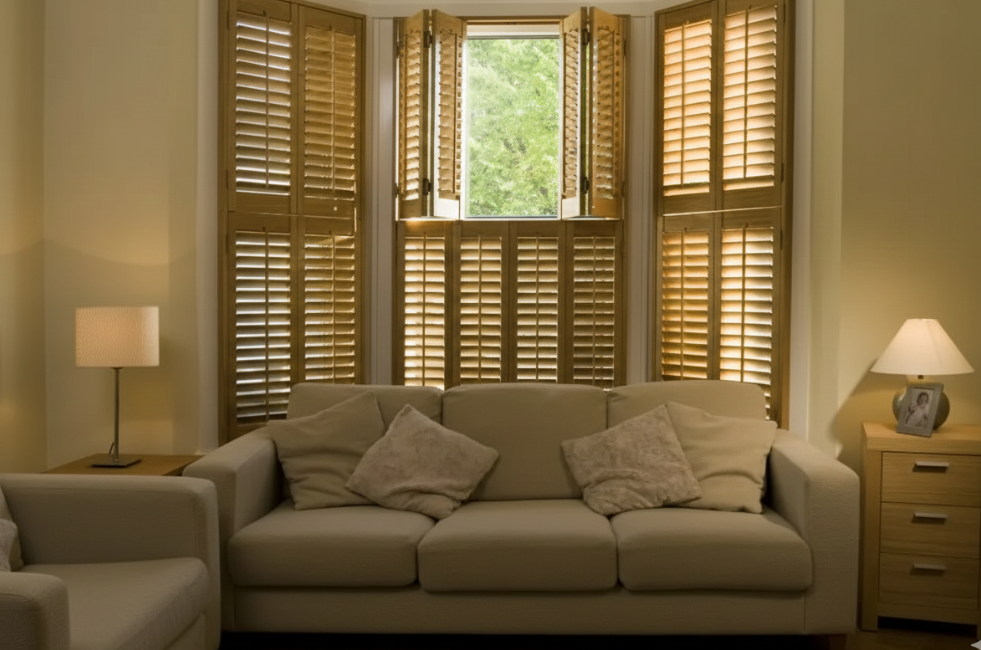
Tier-on-tier shutters have two panels that open on their own. They offer more control and suit homes that mix function with style.
Each type supports modern living in a different way, like choosing the right shoes for the right walk.
Choosing Colors That Match Modern Style
Color choice shapes the mood of a room. Modern homes often use calm shades, and shutters should follow that path.
White shutters feel fresh and open. They reflect light like calm water under the sun. Grey shutters add depth and softness, like clouds drifting across the sky. Black shutters create bold contrast and work best in rooms with lots of light.
Natural wood tones bring warmth. Light wood feels friendly and modern, while dark wood can feel heavy if the room is small. In modern homes, lighter shades usually work better.
Matching Shutters With Wall Colors
Shutters and walls should work together, not compete. When they blend well, the room feels smooth and settled.
White walls and white shutters create a clean flow. The space feels open, like one long breath. Soft grey walls pair well with white or light grey shutters. Dark walls look best with lighter shutters to keep the balance.
Maintaining this harmony helps the window blend in with the room, rather than feeling like a separate piece.
Styling Window Shutters in the Interior of Living Rooms
Living rooms set the tone for the home. Shutters here should feel welcoming and relaxed.
Full-height shutters work best in modern living rooms. They frame large windows and keep the space tidy. When sunlight filters through the slats, it spreads across the room like morning light through trees.
Avoid heavy curtains over shutters. Modern spaces breathe better with fewer layers. If softness is needed, rugs or cushions can add comfort without hiding the windows.
Using Interior Shutters in Bedrooms
Bedrooms are places of rest. Window shutters interior designs help create calm and quiet.
Shutters block light better than many blinds, which helps with sleep. Tier-on-tier shutters work well because the top can open for daylight while the bottom stays closed for privacy.
Soft colors like white or pale grey feel gentle. They suit peaceful mornings and quiet nights. The room feels safe, like being wrapped in a light blanket.
Kitchen and Dining Spaces With Shutters
Kitchens need light and easy care. Café-style shutters are a smart choice here. They protect privacy while letting sunlight brighten the space.
Shutters in kitchens are easier to clean than fabric curtains. They do not hold smells and stay neat. In modern kitchens with smooth cabinets and clean lines, shutters blend in naturally.
Dining areas also benefit from shutters. Soft light through the slats makes meals feel warm and relaxed, like sharing food near a sunny window.
Bathroom Styling With Interior Window Shutters
Bathrooms need privacy and moisture safety. Shutters made from treated wood or faux wood suit these spaces well.
White shutters are common in bathrooms because they feel fresh and bright. Slatted panels allow air to move, which helps reduce dampness.
In modern bathrooms, shutters feel stronger and more stylish than blinds. They stand firm, like clean stone against water.
Choosing the Right Material for Modern Homes
Material affects how shutters look and last. Modern homes favor strong and simple options.
Wood shutters feel warm and natural. They suit living rooms and bedrooms. Faux wood shutters resist moisture and work well in kitchens and bathrooms.
Some modern homes use metal shutters for a bold look. These feel sleek and sharp, like smooth steel lines, though they are less common.
Light Control and Mood
Light changes how a room feels during the day. Window shutters interior designs give full control.
Open slats bring gentle daylight that moves across walls like a slow wave. Closed shutters block strong sun and create shade. This control helps rooms stay comfortable from morning to evening.
Light control also helps protect furniture from fading, which keeps the home looking new longer.
Pairing Shutters With Modern Furniture
Furniture and shutters should feel connected. Modern furniture often has clean lines and low shapes, which match shutters well.
Simple sofas, flat tables, and open shelves pair nicely with shutter panels. Avoid busy patterns near windows. Let shutters stay calm and steady, like quiet background music.
This balance makes rooms feel peaceful and easy to live in.
Keeping Interior Shutters Clean and Fresh
Shutters are easy to care for. Dust them often with a soft cloth. For deeper cleaning, a damp cloth works well.
Avoid strong cleaners. Gentle care keeps the finish smooth. With simple upkeep, shutters stay strong for years, like doors that never lose their shape.
Common Styling Mistakes to Avoid
Some choices can break the modern feel.
Dark shutters in small rooms can make spaces feel tight. Mixing many window styles in one room feels messy. Adding heavy curtains over shutters hides their clean beauty.
Simple choices usually create the best results.
Why Interior Window Shutters Add Home Value
Shutters are not just decoration. They add long-term value to a home. Buyers often see them as built-in features, not extras.
They last longer than blinds or curtains and need less replacement. This makes them a smart choice for modern living.
FAQs
- Are interior window shutters good for modern homes?
Yes. They match clean design, control light well, and stay neat over time. - Which shutter style looks most modern?
Full-height shutters in white or light grey suit modern homes best. - Can shutters replace curtains?
Yes. Many modern homes use shutters alone for a simple look. - Do window shutters interior designs block enough light for bedrooms?
Yes. They block light better than most blinds. - Q. Are shutters hard to maintain?
No. Regular dusting and gentle cleaning keep them fresh.
Conclusion
Window shutters interior designs act like quiet anchors in modern homes. They guide light, guard privacy, and bring order to space. With the right style, color, and placement, shutters feel like they belong, not like an afterthought.
Modern homes thrive on calm and balance. Interior shutters support that feeling every day. When beauty and function meet, the home feels complete.