
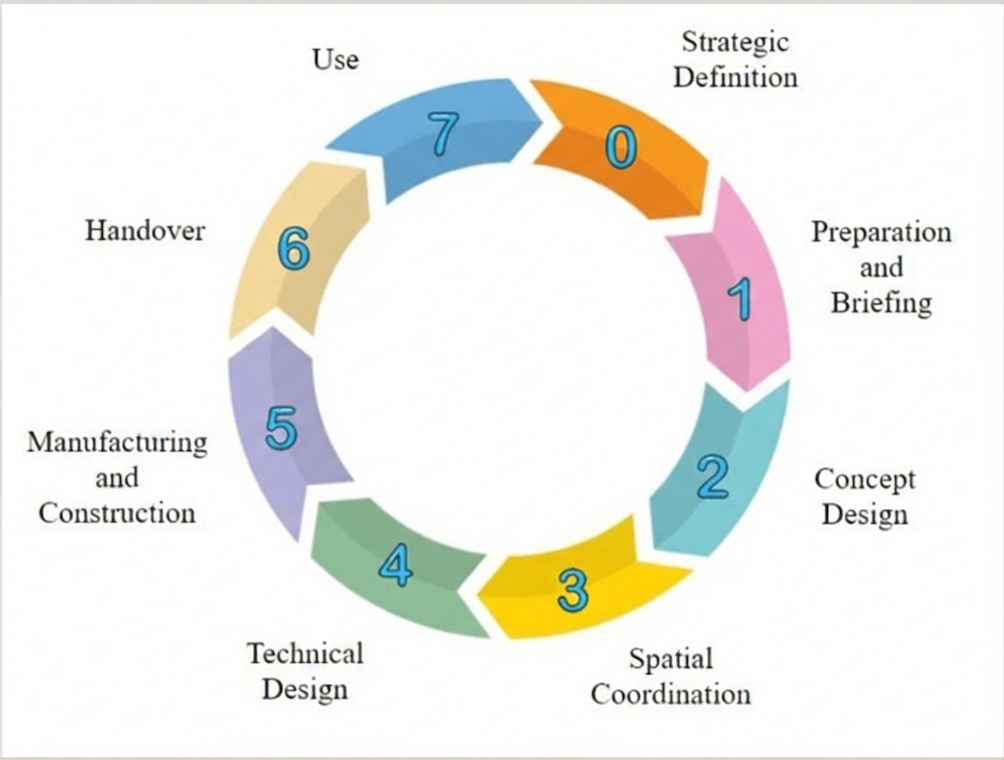
Designing a building is like planning a long journey. You must know where you start, where each stop is, and what comes next. In the UK, architects and builders use a clear roadmap called the RIBA Stage Plan, short for the RIBA Plan of Work, to guide how a project moves from an idea to a finished building. This roadmap helps everyone know what to do and when to do it.
Each RIBA stage breaks the process into steps that make work easier to organise. This helps the design team, the builder, and the client stay in step, much like musicians following the same sheet of music.
What the RIBA Stages Are
The RIBA Plan of Work divides a building project into eight clear steps, numbered from Stage 0 to Stage 7. These stages act like a ladder, helping architects climb from the first idea up to the way a building is used after completion.
Here are the main stages:
- Stage 0: Strategic Definition – This is the first phase where the project’s purpose, budget ideas, and early goals are discussed.
- Stage 1: Preparation and Briefing – The team gathers needs, checks the site, and sets a firm plan for design work.
- Stage 2: Concept Design – Architects draw early ideas and sketches. These show how the building might look and feel.
- Stage 3: Spatial Coordination – More detailed plans take shape. This is where planning permission documents are often prepared.
- Stage 4: Technical Design – Every plan is turned into clear drawings and instructions that builders will use.
- Stage 5: Manufacturing and Construction – Builders follow the plans and begin work on site.
- Stage 6: Handover – When the building is finished, it is checked, handed to the client, and made ready for use.
- Stage 7: Use – After people begin to live or work in the building, its performance and comfort are reviewed over time.
These steps create a clear flow, making the process easy to follow for everyone involved.
How RIBA Stages Help the Design Process
The use of RIBA stages means architects do not skip steps. Instead of rushing, they move from one clear step to the next, like reading one line of a poem at a time. This makes the plan easier to understand and keeps surprises to a minimum.

For example, the early stage (Stage 1) focuses on learning exactly what the client wants. It involves checking the land and early cost ideas. Then, Stage 2 starts showing those ideas with sketches and early visual plans. This helps the client see shape and form before any building begins.
Planning and Permissions
Many building projects need approval from the local council. This step often happens at Stage 3, once the design shows the shape, size, and look of the building. At this point, the plans explain how the building fits on the site and works with nearby spaces.
The RIBA stages guide teams to prepare the right details before asking for permission. Clear drawings and notes help avoid delays, much like showing a full map before starting a journey. This makes the approval process smoother and saves time.
Building and Handover
Once plans are ready, builders begin work. At Stage 5, the design becomes real, like a drawing turning into a sculpture in the hands of an artist. When building ends, Stage 6 makes sure everything works as expected. The client checks the building and gets any manuals or guides they need.
Later, Stage 7 helps make sure the building continues to feel good to use and performs well over time, like checking a car after you have driven it for a while.
Why This Structure Matters
The way the RIBA Plan of Work is organized helps keep design and construction simple and clear. It helps teams share information at the right time, guides planning and engineering checks, and keeps budgets under control.

It also ensures that clients know what to expect at each step. The RIBA stages work for small house projects and for large buildings alike, giving structure that feels like stepping stones across a wide river.
Conclusion
The RIBA stages give a clear path from the first idea to a finished building. Each stage helps teams work in the right order, so nothing feels rushed or confusing. Like stepping stones across a stream, these stages help a project move forward without losing balance.
By following the RIBA stage process, architects, builders, and clients stay on the same page. Plans become clearer, costs stay under control, and the final building works better for the people who use it every day.
Frequently Asked Questions (FAQs)
What is an RIBA stage?
A RIBA stage is a numbered step in the architectural design and construction process. It helps teams know what tasks are done and when.
How many RIBA stages are there?
There are eight stages, from Stage 0 to Stage 7, guiding a project from idea to long-term use.
What does RIBA stand for?
RIBA stands for the Royal Institute of British Architects. It is a UK-based group that supports architects and sets clear stages for planning and designing buildings.
Can you be an architect without RIBA?
Yes, a person can work as an architect without joining RIBA. However, to use the title “architect” in the UK, they must register with the Architects Registration Board (ARB).
Is RIBA Part 3 hard?
RIBA Part 3 can feel challenging because it tests real work experience, UK law, contracts, and professional judgment. It is more practical than design-based.