

A house is like a tree. What you see above the ground matters, but what sits below matters even more. If the roots are weak, the tree may lean or fall. In the same way, a building needs strong foundations to stay safe for many years. This is where the minimum depth foundations UK rules play a big role.
In the UK, foundation depth is not guessed. It follows clear guidance to protect homes from cracks, sinking, and weather damage. These rules help builders create homes that stand firm through rain, frost, and time. Let’s walk through what minimum depth foundations mean and why they matter so much.
What Are Minimum Depth Foundations UK?
Minimum depth foundations in the UK refer to how deep foundations must go into the ground before building walls. This depth helps the building rest on stable soil rather than loose top layers.
Think of it like placing a table on soft sand. If the legs are short, the table wobbles. Push the legs deeper, and the table stands steady. Foundations work the same way.
The UK sets minimum depth rules to protect buildings from soil movement, cold weather, and changes in moisture. These rules apply to homes, extensions, garages, and garden walls.
Why Foundation Depth Matters So Much
Foundation depth is not just about holding weight. It protects the building from many hidden risks.
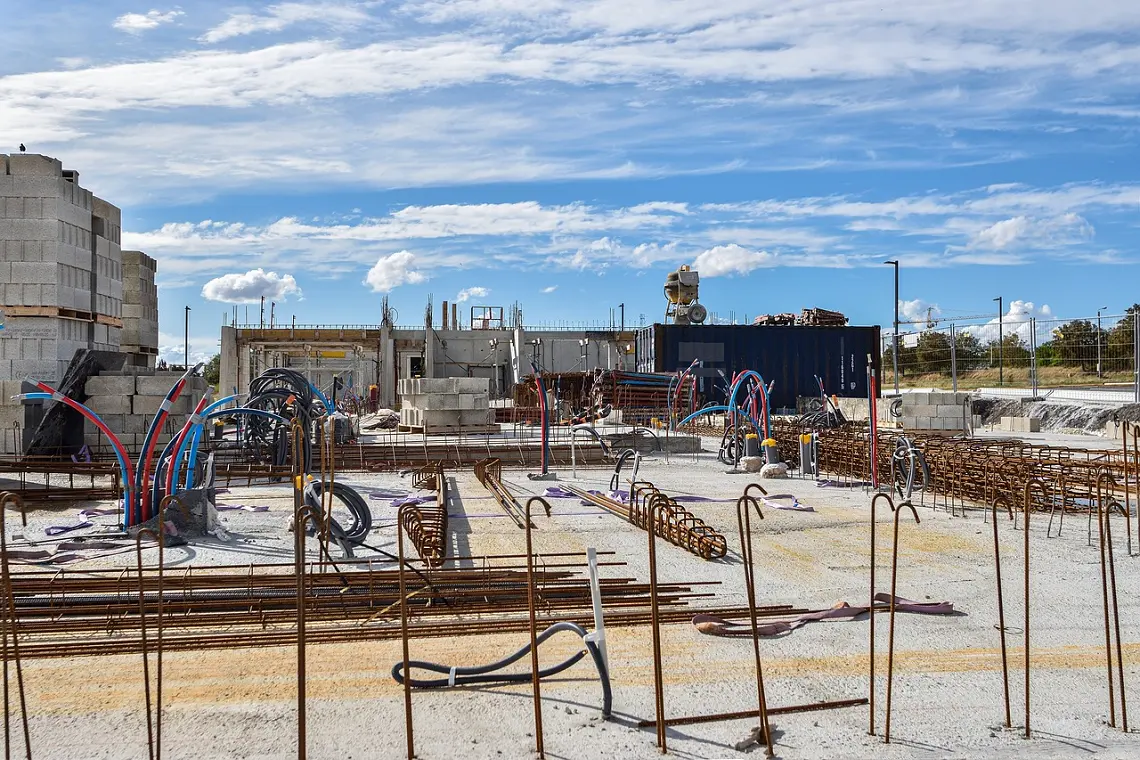
First, deeper foundations reduce movement. Soil expands and shrinks as it gets wet or dry. If foundations sit too close to the surface, the building can shift like a boat on waves.
Second, depth helps fight frost. In cold months, water in the soil freezes and expands. This can push shallow foundations upward and cause cracks.
Third, deeper foundations spread the weight evenly. This keeps walls straight and floors level over time.
Because of these reasons, the UK’s minimum depth foundations rules focus on safety, not speed.
Common Foundation Types Used in the UK
Different homes use different foundations, but depth rules still apply.
Strip foundations are the most common for houses. They run under load-bearing walls like a long ribbon. These need enough depth to sit on firm soil.
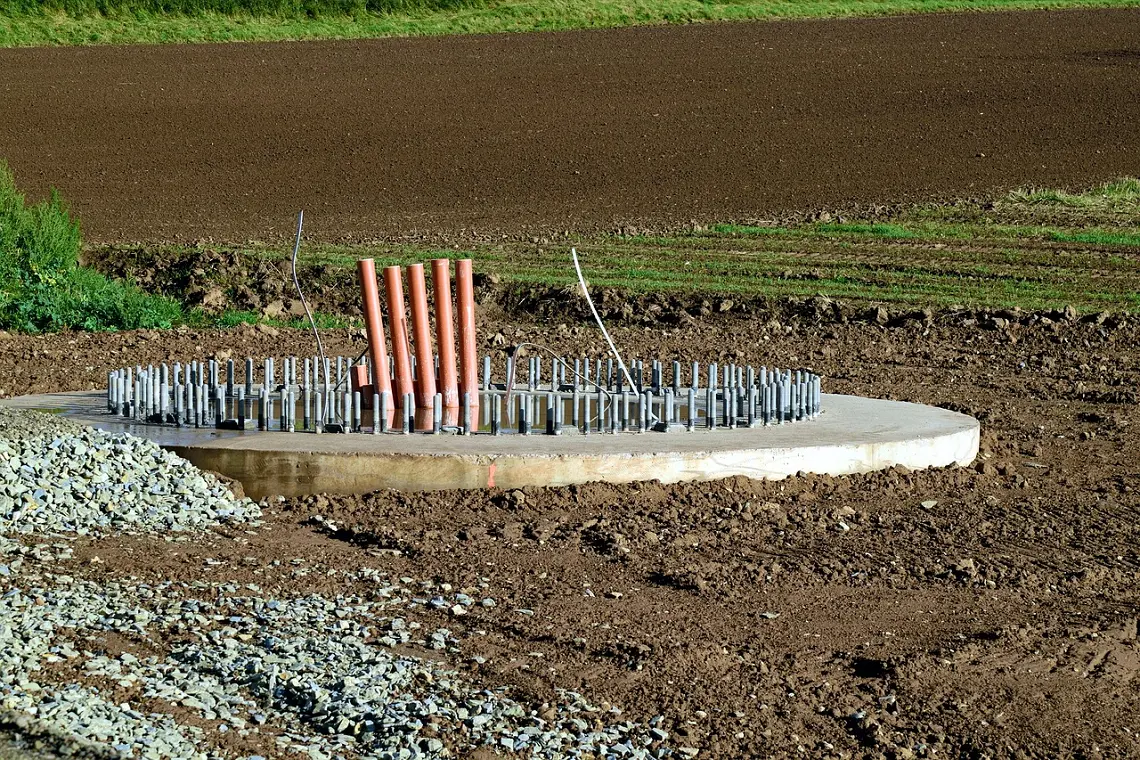
Trench fill foundations are deeper and filled with concrete almost to ground level. They work well where soil conditions are weaker.

Pad foundations support single points, such as columns or posts. These still need proper depth to avoid sinking.

No matter the type, the goal stays the same: reach soil that can safely carry the building.
Soil Type and Its Effect on Depth
Soil plays a big role in foundation depth. Not all ground behaves the same.
Clay soil expands when wet and shrinks when dry. This movement can stress foundations. Because of this, clay often needs deeper foundations.
Sandy soil drains water well but can shift under load. Depth helps reach compact layers that stay firm.
Chalk and gravel usually offer good support. Even so, foundations must still reach a stable layer.
Think of soil like cake layers. The soft icing on top cannot hold weight. Builders dig until they reach the firm sponge below.
Trees, Roots, and Foundation Safety
Trees near buildings can affect foundation depth. Tree roots pull water from the soil, especially clay. This drying can cause the ground to shrink.
Because of this, foundations near trees often need extra depth. This helps protect buildings from movement caused by changing moisture levels.
Even after a tree is removed, the soil may slowly change. That is why builders consider both current and past trees when planning depth.
Frost Protection and Foundation Depth
Frost is another quiet threat. In winter, frozen soil expands like ice in a bottle. Shallow foundations can lift, crack, or shift during freeze cycles.
Minimum depth foundations UK guidance helps avoid this by placing foundations below frost-affected layers. This keeps the building steady through cold seasons.
It’s like wearing boots in winter. Thin shoes may look fine, but boots keep your feet safe from the cold.
Building Control and Legal Rules
Foundation depth is not just advice. It links closely to building control approval in the UK.
Before construction starts, plans are reviewed. During building, inspectors check foundation trenches before concrete is poured.
If foundations are too shallow, work may stop. Builders may need to dig deeper, which costs time and money. Following depth rules from the start avoids these problems.
This system helps protect homeowners and future buyers from hidden structural issues.
Foundation Depth for Extensions and Small Builds
Even small projects need proper foundations. Extensions, garden walls, and garages must follow depth guidance.
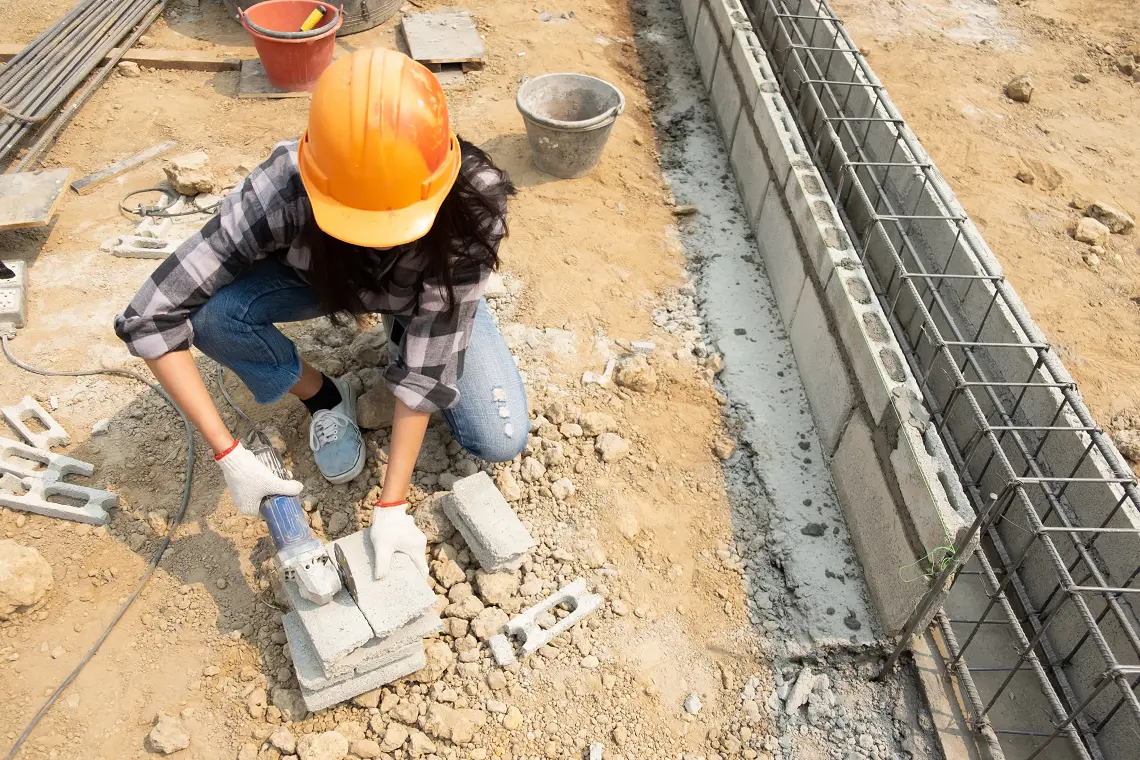
An extension shares the load of the main building. If its foundations move, cracks can appear where old and new meet.
Garden walls may seem simple, but shallow foundations can tilt or fall over time.
Following the minimum depth foundations UK rules keeps every structure safe, no matter the size.
Weather, Water, and Long-Term Stability
Rainfall affects soil moisture. Heavy rain can soften the ground, while dry spells can cause shrinkage.
Deeper foundations reduce the effect of these changes. They sit in soil that stays more stable year-round.
Think of it like anchoring a boat. A short rope lets the boat drift. A longer anchor holds it steady, even when waves roll in.
How Builders Decide the Right Depth
Builders do not rely on guesswork. They study soil, nearby structures, trees, and drainage.
Trial holes may be dug to check soil layers. Engineers may advise deeper foundations in complex cases.
This careful approach helps match foundation depth to real site conditions, not just minimum numbers.
Cost vs Safety: Why Depth Is Worth It
Digging deeper costs more at first. Yet shallow foundations often lead to cracks, repairs, and stress later.
Fixing foundation problems can be far more expensive than doing it right from the start.
Depth is an investment. It buys peace of mind and long-lasting safety.
Common Mistakes to Avoid
One common mistake is copying a neighbour’s foundation depth without checking the soil. Conditions can change even a few meters away.
Another mistake is ignoring trees or drainage issues.
Rushing foundation work to save time often leads to problems that last for decades.
Taking time early prevents trouble later.
FAQs
What is the minimum depth of foundations that UK builders usually follow?
The depth depends on soil, weather, and nearby trees. Builders follow building control guidance rather than a fixed number.
Do all buildings need the same foundation depth?
No. Houses, extensions, garages, and walls can need different depths based on load and ground conditions.
Can shallow foundations cause cracks?
Yes. Shallow foundations may move with soil changes, leading to wall cracks and uneven floors.
Are deeper foundations always better?
Deeper foundations help, but they must match soil conditions. Smart planning matters more than digging blindly.
Who checks foundation depth in the UK?
Local building control officers inspect foundations before concrete is poured.
Final Thoughts
Minimum depth foundations UK rules exist for a reason. They protect buildings from soil movement, frost, water changes, and time itself.
Foundations may stay hidden, but they carry everything above them. Like strong roots under a tall tree, they keep homes safe and steady.
When builders respect depth rules, they build more than walls. They build trust, safety, and homes that stand firm for generations.