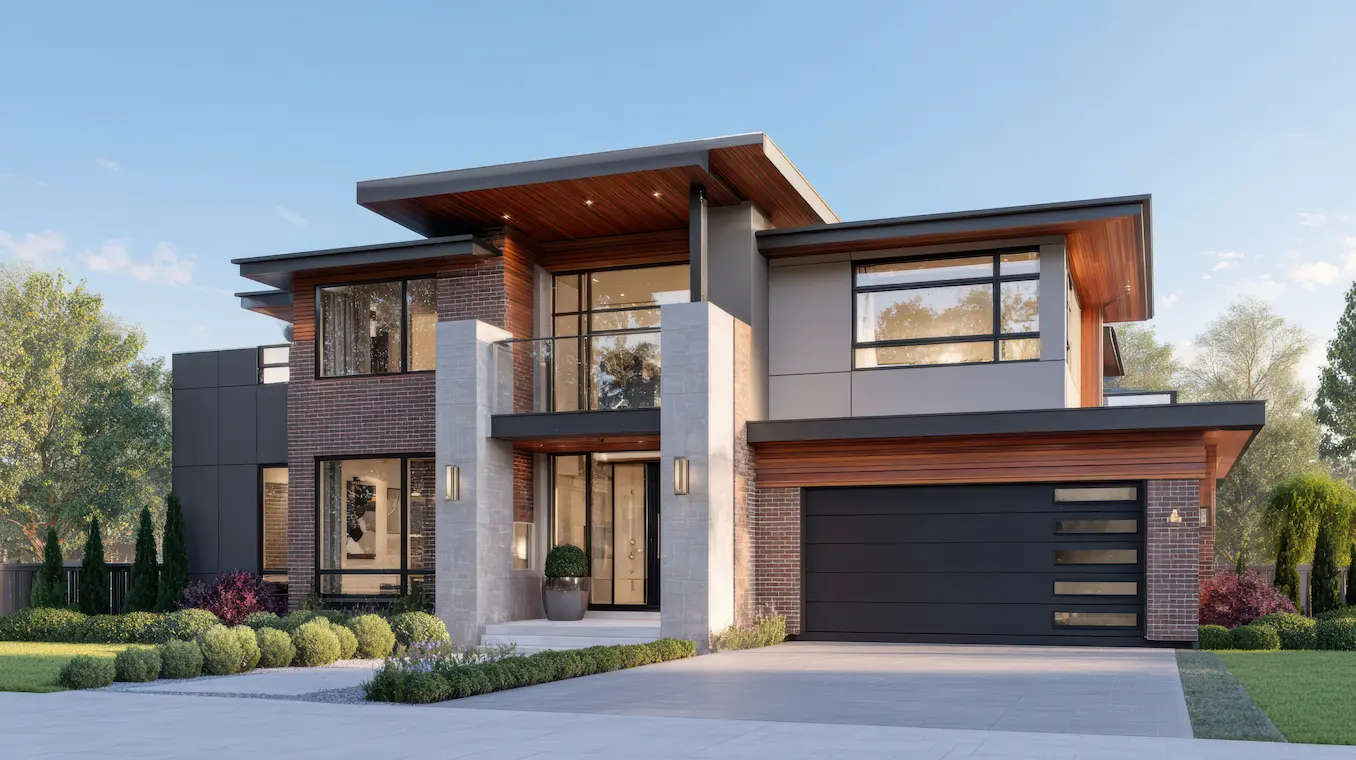

When we talk about a house’s height, it is like measuring the length of a book from spine to cover. We want everything in the right place. The normal height of house is a key factor in making it comfortable, safe, and visually balanced. Whether it’s a single-storey bungalow or a two-storey family home, knowing what is typical helps builders, homeowners, and designers make informed decisions.
In this article, you’ll learn what “normal height” means for houses, how many feet or meters are common per story, what affects the height, and what to keep in mind when building or choosing a home. Let’s make sense of these numbers in plain language.
What Is Typical for Floor and Ceiling Heights?
One way to see the house height is to look at each floor. The height from floor to floor or floor to ceiling is called the story height. The standard ceiling height in residential homes today is typically 8 to 10 feet (2.4 to 3 meters), with many modern homes using around 9 feet (2.7 meters).
For a single‐storey house, the average total height is around 10 to 15 feet (3 to 4.6 meters) from ground to roof peak.
For two‐storey homes, typical height ranges are about 18 to 25 feet (5.5 to 7.6 meters).
So when someone asks, “What is the normal height of a house?”These numbers provide a logical answer: approximately 10–15 feet for a one-story building and 18–25 feet for a two-story building, before accounting for roof pitch and foundations.
Why These Heights Matter
Height affects how the house feels and how it works. A home with very low ceilings might feel cramped, like a cave. But one with very tall ceilings may feel large and open, but cost more to heat and build. One design guide says that ceiling height impacts openness, lighting, and comfort.
Height also affects regional building codes, planning rules, local zoning, and how a house sits in its neighbourhood. If your house is much taller than others nearby, it may block views, feel out of place, or conflict with zoning limits.
Another factor: height is linked to floor‐to‐ceiling height. If each story is 9 feet, plus structural floor thickness and roof, the total height adds up quickly. That affects the normal height of house measurement.
What Affects the Normal Height of a House?
Several factors influence how tall a house ends up being. Some key ones:
1. Number of Stories
More stories mean more height. A three‐storey house is taller than a two‐storey house. A three‐storey house may reach 30 feet or more.
2. Ceiling Height per Story
If the house uses 9‐foot ceilings rather than 8‐foot, the height stacks up faster. Modern homes often aim for 9 or 10-foot ceilings for a spacious feel.
3. Roof Slope and Design
The style of roof (flat, low pitch, steep pitch) adds height. A steep roof might add several feet to the overall height.
4. Floor Structure and Foundation
The thickness of floors, beam structures, and the height of the foundation create extra height between the ground level and the living space.
5. Local Building Codes or Standards
In the UK, for example, the minimum ceiling height for residential space is at least 2.3 m (about 7 ft 6 in) for much of the area.
In different countries, local codes set minimums and maximums.
Typical Scenarios by House Type
Single‐Storey Homes
For a normal height of house in a bungalow style:
- Ceiling: ~8–9 ft (2.4–2.7 m)
- Floor + roof structure + attic + foundation: about 3–4 feet (0.9-1.2 m)
- Thus total height = about 10–13 feet (3–4 m) before the roof peak.
A single‐storey house average height of around 10-15 feet.
Two‐Storey Homes
For a standard two‐storey:
- Each floor ceiling may be ~8–9 ft
- Structural floor between floors adds ~1 ft (0.3 m)
- Roof height adds 4–6 ft or more
- Total = about 18–25 ft (5.5–7.6 m) typical.
Multi‐Storey or High Ceiling Homes
Luxury or design homes sometimes have 10–12 ft ceilings, tall roof peaks, making them taller. Some examples show 20-25 ft for two stories with high ceilings.
How to Use This in Your Planning
When designing or choosing a house, use these rules of thumb:
- Check how many stories it has.
- Ask about ceiling height in each room.
- Look at the roof pitch; steep roofs mean higher total height.
- Compare with neighbouring houses so it aligns with the local scale.
- Review local building code for maximum height or minimum standards.
If you plan to build or extend, knowing the normal height of house helps you stay comfortable, cost-effective, and compliant with regulations.
Why “Normal Height” Can Vary
Even if there is a common height range, what is “normal” varies a lot by location because of climate, style, and tradition. For example:
- In areas with heat, higher ceilings help cool the house by giving air more space.
- In older homes built decades ago, ceilings may be 7–8 feet, which we now see as short.
- Regions with heavy snow may have steeper roofs, so height increases.
So while there are guidelines, the normal height of house is not fixed. Think of it like a comfortable jacket; one size does not always fit all.
Conclusion
The phrase “normal height of house” gives us a simple idea: roughly how tall most homes are. A single-floor home may be around 10-15 feet tall, and a two-storey home around 18-25 feet before the roof. Inside each story, ceiling heights of 8-10 feet or about 2.4-3 m are common. All this adds up to how the house feels and how it fits where it stands.
Choosing the right height is like choosing the right frame for a picture; it sets the view. If your home sits well in its surroundings, has good ceiling height and roof design, then it will feel just right. Use these ideas as simple guides as you plan, build, or just look at homes. With the correct height, your house will look balanced, feel comfortable, and serve your needs with ease.