
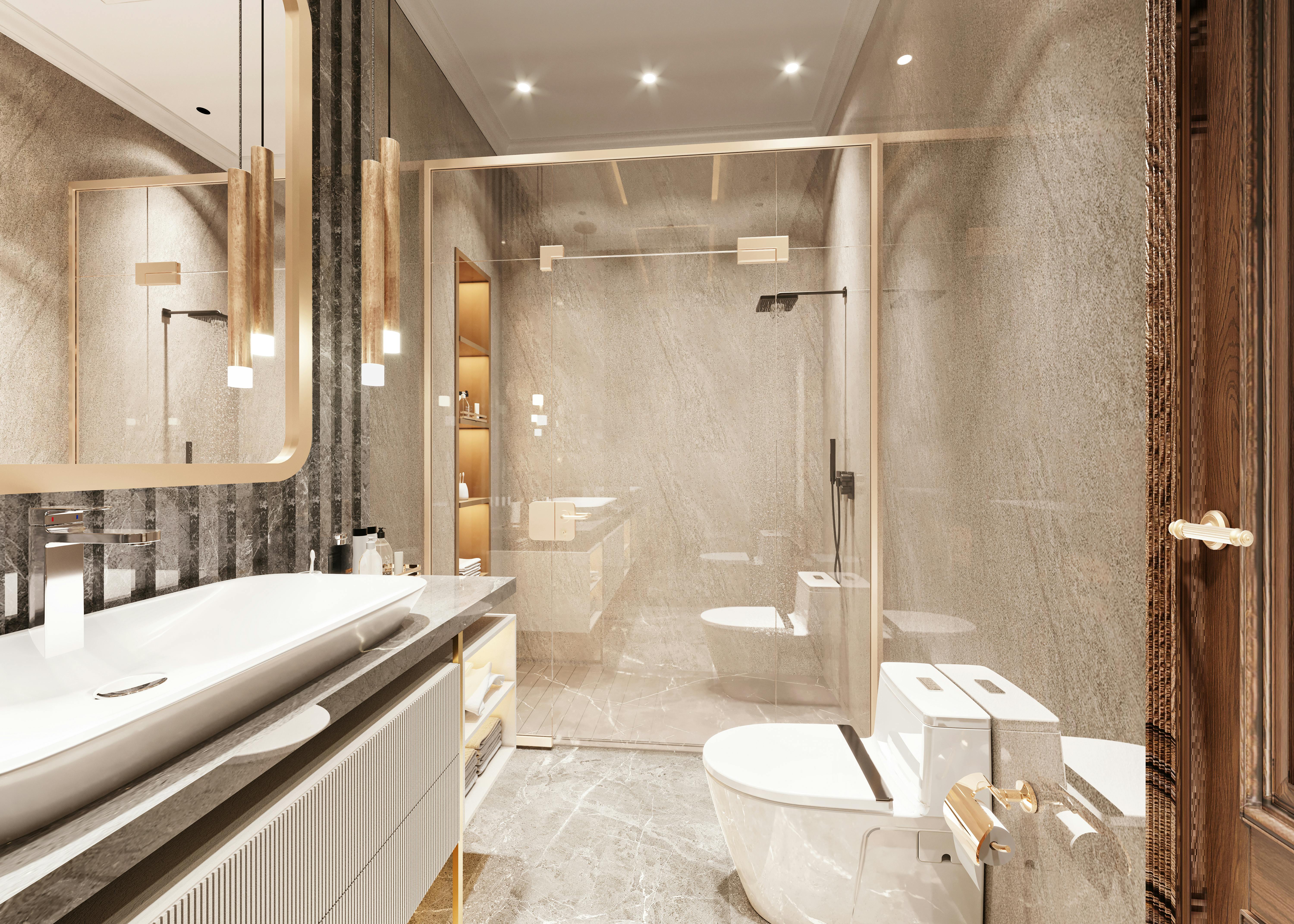
When your bathroom is snug, choosing the right shower door is like picking the right shoes for a race. You need something that fits perfectly and doesn’t slow you down. For shower doors for small spaces, the wrong choice can make the room feel crowded and awkward. But the right one makes everything feel bigger, cleaner, and easier to use.
In this article, you will learn what styles work best in tight bathrooms, how to pick materials and hardware, how door size and layout matter, and how little details like felt-easy door handle height can make big differences.
Why Shower Doors Matter in a Small Bathroom
In a small bathroom, every inch counts. A door that swings out wide might block the sink or the toilet. A heavy-framed door might visually shrink space. A smart shower door opens the room instead of closing it off. It’s key to pick doors that save floor space and keep sight lines open.
When the shower door works well, the bathroom becomes calm and usable. When it doesn’t, you feel boxed in. So start with the layout and door style before anything else.
Best Door Styles for Small Bathrooms
Sliding or Bypass Doors
Sliding doors move sideways and don’t require space for the door to swing out. This means less clear space is needed. One article hails sliding doors as a top pick for compact bathrooms.
Bi-Fold / Folding Doors
These doors fold inwards or outwards in sections, like folding a map. They are great where there is limited swing room. For example, they can fit awkward corners.
Frameless or Minimal-Frame Glass Doors
Clear glass doors with minimal frames help the room feel larger because you can see through them. A guide mentions that frameless doors “make the bathroom look more spacious.”
Pivot / Hinged Doors
These swing like a regular door. If you choose this in a small bathroom, ensure the swing won’t hit fixtures, and the door handle height won’t interfere with nearby items. A standard height helps users reach easily.
Materials, Hardware & Details
When picking shower doors for small spaces, materials and hardware matter. Keep it simple.
- Glass Type: Use clear glass if you want to open up the sight lines. Frosted or patterned glass gives more privacy but can break the visual flow.
Framing: Less frame means more space visually. - Hardware: Choose handles, hinges, and tracks that are slim but sturdy. Also, check that the door handle height is suitable for everyone using the bathroom.
- Tracks & Thresholds: Low threshold or no-threshold options help make the floor look continuous and less chopped.
- Ease of Cleaning: Especially in small bathrooms, fewer frames and fewer nooks make cleaning easier.
Layout & Measurement Tips
Measure Accurately
Measure the width and height of the shower opening and any obstructions (fixtures, toilet, vanity). A guide says this is the first step in small bathroom design.
Keep Door Swing / Movement in Mind
If using a hinged door, mark the arc of the swing and make sure it doesn’t hit something. If using sliding/bi-fold, ensure the track doesn’t lose useful space.
Clear Space in Front of the Door
You should leave at least 24-30 inches of clear floor space in front of the shower door to allow easy access. If the door swings into too tight a zone, it feels like a cramped corridor.
Matching Floor & Wall Flow
Use light-coloured tiles and continuous patterns so the door opening doesn’t feel like a break in the room. Clear glass helps make the shower part of the room, not a box. For more inspiration and ideas, you can also explore Home and Garden Listings.
Choosing Style & Finish
- If your bathroom has light colours, then go with clear glass and chrome or brushed-nickel hardware for a clean look.
- For a warmer tone or vintage look, consider brass or black hardware with glass.
- Keep accessories minimal: if the door frame and hardware are too bold, they may dominate the small space.
- Consider mirrored or reflective elements opposite the door: they bounce light and open up space.
Pros & Cons for Small Bathrooms
Pros
- Saves space when done right.
- Clear glass keeps sight lines open.
- Framed/frameless options look modern and clean.
- Sliding or fold styles let you maximize room.
Cons
- Custom doors cost more.
- Sliding doors need clean tracks to work smoothly.
- Hinged doors may block the area if the swing is large.
- Cuts in fixed layouts (like pipes) may limit options.
What to Avoid
- Avoid swing-out hinged doors if your bathroom is very narrow.
- Avoid heavy opaque doors that make the room feel boxed in.
- Don’t ignore plumbing or fixtures – they may stick out after door installation.
- Don’t forget to check your door handle height and clearance so it doesn’t hit towels, valves, or walls.
- Avoid doors with heavy frames that eat into visual space.
Conclusion
Choosing shower doors for small spaces is about smart design rather than big budgets. It’s like fitting a glove carefully: the right style, the right size, the right finish makes all the difference. Sliding, folding, or frameless doors help you keep space and make the room feel open. Clear glass, minimal hardware, and accurate measurement help everything flow.
When you also mind small details like hardware placement and door handle height, your bathroom stops being a tight squeeze and becomes a comfortable, stylish space. With thoughtful choices, you’ll step into the shower every day and feel like you’re in a spa, not a closet.
Take your time, measure wisely, pick good materials, and your small bathroom will feel larger, lighter, and more welcoming than ever.