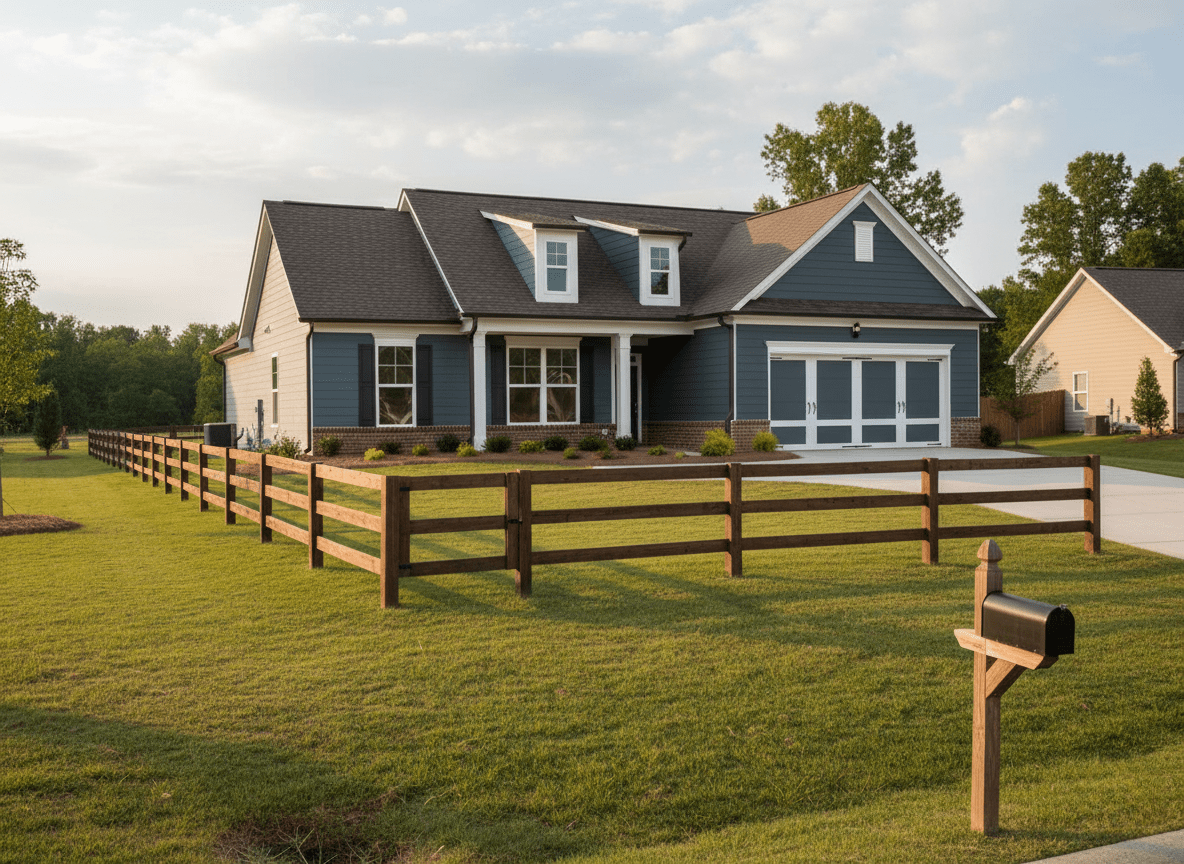
A ranch style fencing is like the frame of a painting for your yard, it outlines your space with strong lines and wide open views. It’s not just about looking good; it’s about lasting through seasons, wear, and changes.
If you build one the right way, you’ll be rewarded with a fence that stands firm and still looks good years from now. This article covers how to plan, build, and care for a ranch-style fence at home. It gives steps for wood and metal, materials to pick, and tips to make it durable.
What Is Ranch Style Fencing?
Ranch style fencing typically means fences with horizontal rails fastened to strong vertical posts. You may see 2-4 rails per section. Unlike high privacy fences, ranch fences often keep things open so you can see through them, and they blend with the landscape.
Traditionally, it’s used on farms and ranches to keep animals in and create a boundary. But it also works well at home around yards, gardens, or along driveways.
Why Focus on Durability?
Building a fence is like growing a tree; you want it to root deep and reach high, not bend or break at the first storm. A durable fence pays back in fewer repairs, less hassle, and steadier performance. If you pick poor materials or skip steps, the fence may sag, warp, or fall apart.
Durable ranch-style fencing means good materials, correct spacing, strong installation, and regular care.
Materials: Wood vs. Metal
Wood Materials
Wood gives a warm, classic look. Common choices: treated pine, cedar, or pressure-treated lumber. You’ll want ground-contact treated posts to resist rot. For fencing materials and spacing, one guide suggests posts 6 feet apart and rails properly fastened.
Cons: wood needs upkeep, paint or stain, and checking for rot.
Metal Materials
Metal rails and posts (pipe, steel board) give more durability and less maintenance. As one fencing guide states, newer metal-rail styles mimic wood but last longer.
Cons: Metal may cost more and can look colder if not styled well.
Which to choose?
If you want the classic ranch look and are willing to maintain it, wood works well. If you prefer low upkeep and long life, metal is a strong choice.
Planning & Installation Steps
1. Mark the Fence Line
Use string or spray paint to map your line. Make sure you are on your own land to avoid moving the fence later. One advises to “make sure you know where your property line is”.
2. Dig and Set Posts
The posts are the backbone. For wood posts: dig holes at least 18 inches deep or more in frost zones. The post should be level and stable.
For metal posts: follow the manufacturer’s instructions for depth and concrete set.
3. Spacing and Rails
Spacing matters. Most DIY guides for ranch style fencing use posts 6 to 8 feet apart. Attach horizontal rails securely.
4. Leveling and Aligning
Ensure each section is level, and the rail toplines should flow like a calm horizon. On slopes, you have the choice of stepping the rails or racking them diagonally.
5. Finish and Seal
For wood: apply stain or paint, and seal the wood to protect against the weather. Add post caps if you like. For metal: check for rust-resistant coatings. Finishing touches protect the fence for years.
Features That Make Ranch Style Fencing Durable
Secure Posts
Posts must go deep and be anchored. A post that wobbles is like a tree with shallow roots; it won’t stand.
Quality Gravel and Concrete
In frost or wet soil, a gravel base and concrete setting prevent shifting.
Proper Rail Attachment
Rails must be fastened with galvanized screws or weather-proof nails. Loose rails lead to sagging.
Avoid Ground Contact
Wood rails should avoid direct ground contact; metal rails should have clearance to stop corrosion.
Gate and Corner Brace
Gates and corners carry more stress; they need extra support and diagonal bracing for durability.
Maintenance Tips
Like caring for your home’s skin, a fence needs touches of care to stay fresh:
- Inspect yearly for loose rails, rust, rot, or leaning posts.
- Touch up paint or stain every few years for wood.
- Clear vegetation that may press against the fence and hold moisture.
- Check hardware, tighten screws, and replace damaged parts.
- On metal fences, wash off dirt and check protective coatings.
A little care now saves big repairs later.
Cost Considerations
Durable ranch style fencing is an investment. Wood typically costs less to install but more to maintain. Metal costs more up front but often lasts longer with less care. An investment in a good fence is like planting an orchard; it pays off in time.
Be sure to budget for materials, labour, finish, gates, and maintenance.
Style and Home Use
Even in a home setting, ranch style fencing adds character. It frames your yard like a picture, gives riders or pets a safe space, and lets your landscape show through.
For home yards: use two or three horizontal rails, posts spaced 6-8 feet, and maintain the open look. You can also add wire mesh behind for pets or small kids.
Skin the look to suit your home, paint the fence to match your house, or use a natural stain for wood.
Conclusion
Building ranch style fencing at home is like crafting a sturdy bench for your yard: if you choose solid materials, follow good steps, and maintain it well, it will serve you for years. Whether you choose wood for warmth or metal for low care, the basics remain: strong posts, level rails, good finish, and care.
When built right, your fence becomes a strong boundary that also adds style. So picture your yard framed with firm posts and clean rails, weathering sun and storm alike. With the right plan and effort, you’ll have a fence that says both “welcome home” and “built to last.”