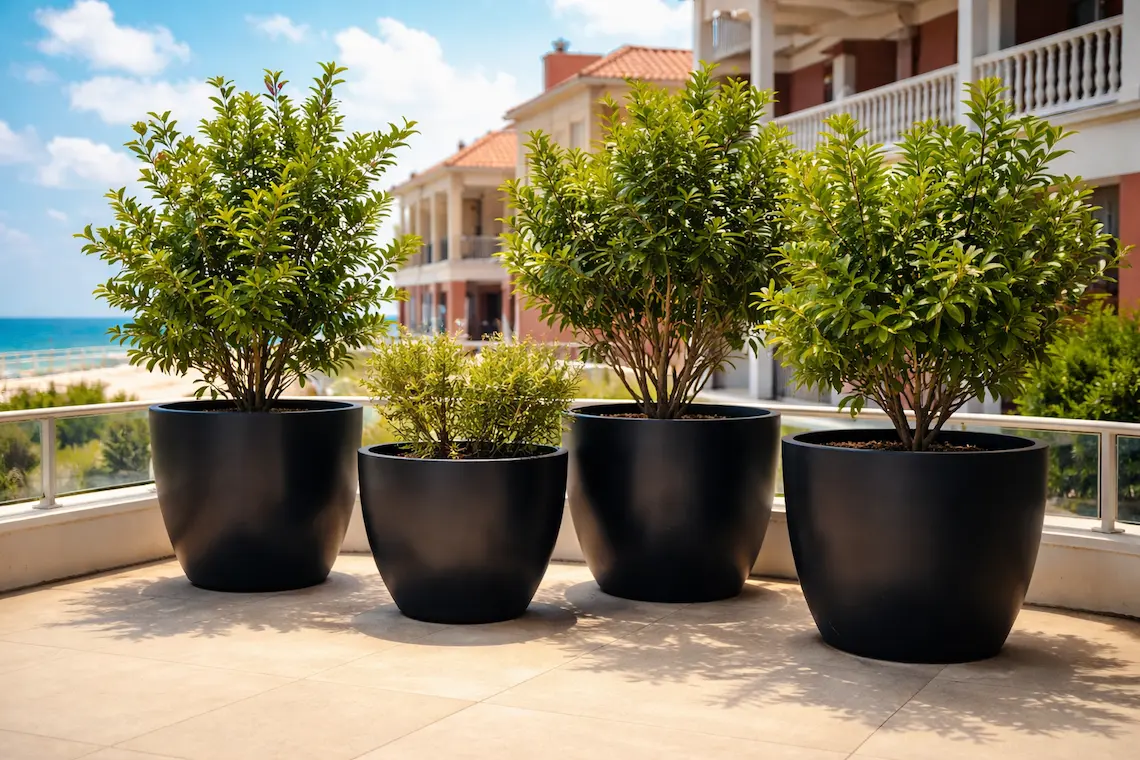
Trees do not always need open ground to grow. Many trees grow well in containers when the pot is large enough. This is why extra large plant pots for trees are popular in gardens, patios, and balconies.
A tree in a pot is like a traveler in a small room. If the room is too tight, the traveler cannot stretch or breathe well. In the same way, a tree needs space for its roots.
Choosing the right pot helps the tree grow strong and healthy. In this guide, you will learn how to pick the best pot size, material, and design for your trees.
Why Extra Large Plant Pots for Trees Matter
Trees grow deep roots. When the roots do not have space, the tree becomes weak. Leaves turn yellow, growth slows, and the tree may stop producing flowers or fruit. Large pots solve this problem.
They give roots room to grow and hold enough soil and water. Many gardeners now grow trees in containers because they can move them when needed. This method works well for patios, small gardens, and rooftops.
Large containers also help protect roots during cold weather. Bigger pots hold more soil, and soil acts like a blanket that protects the roots.
What Size Pot Do Trees Need?
Size is the first thing to check when choosing a pot. Most trees need a container that is at least 18–24 inches wide and deep. This size allows roots to spread and breathe.
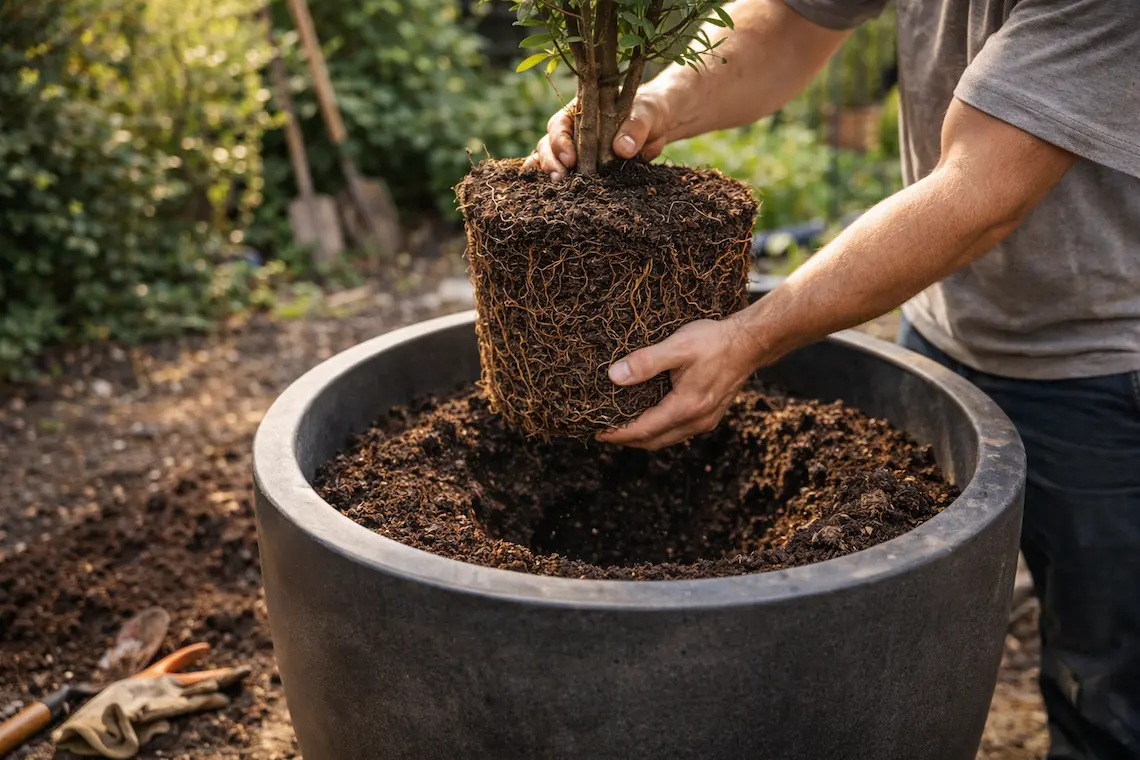
A simple rule works well:
- The pot should be 2–4 inches larger than the root ball of the tree.
- Young trees may start in smaller pots.
- Mature trees need much larger containers.
For example, large plant pots for trees or the largest plastic planters work well for olive trees, maples, and small fruit trees.
When the pot is too small, the roots circle around like a tangled ball of yarn. The tree struggles to absorb water and nutrients.
Choose the Right Material for the Pot
Pots come in many materials. Each one has benefits.
Plastic Pots
Plastic pots are light and easy to move. Many gardeners choose very large plastic plant pots for trees because they are strong and weather-resistant. Plastic pots also hold moisture longer, which helps during hot weather.
These pots are good for:
- patios
- rooftops
- balconies
They are often used as big indoor plant pots or outdoor containers.
Ceramic Pots
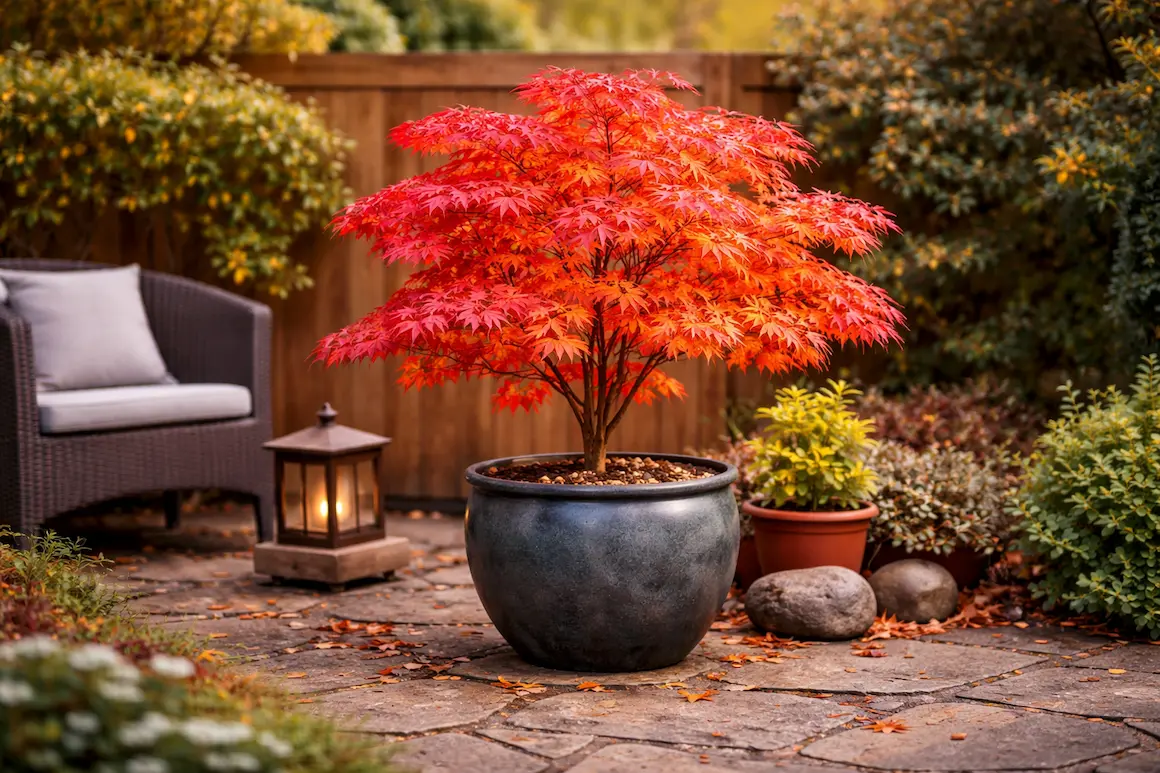
Ceramic containers look beautiful in gardens. Many people prefer big plant pots ceramic because they add style to patios and entrances.
However, ceramic pots can be heavy. They may also crack in freezing weather if they are not frost-resistant. Still, they are great decorative choices for trees like Japanese maple or dwarf fruit trees.
Stone or Concrete Pots
Stone planters are strong and long-lasting. These are often used for big black flower pots or decorative outdoor planters. Their heavy weight helps keep tall trees stable in windy areas. However, moving them can be difficult.
Check Drainage Before Buying
Drainage is one of the most important features of a plant pot. Trees do not like standing water. Too much water can cause root rot.
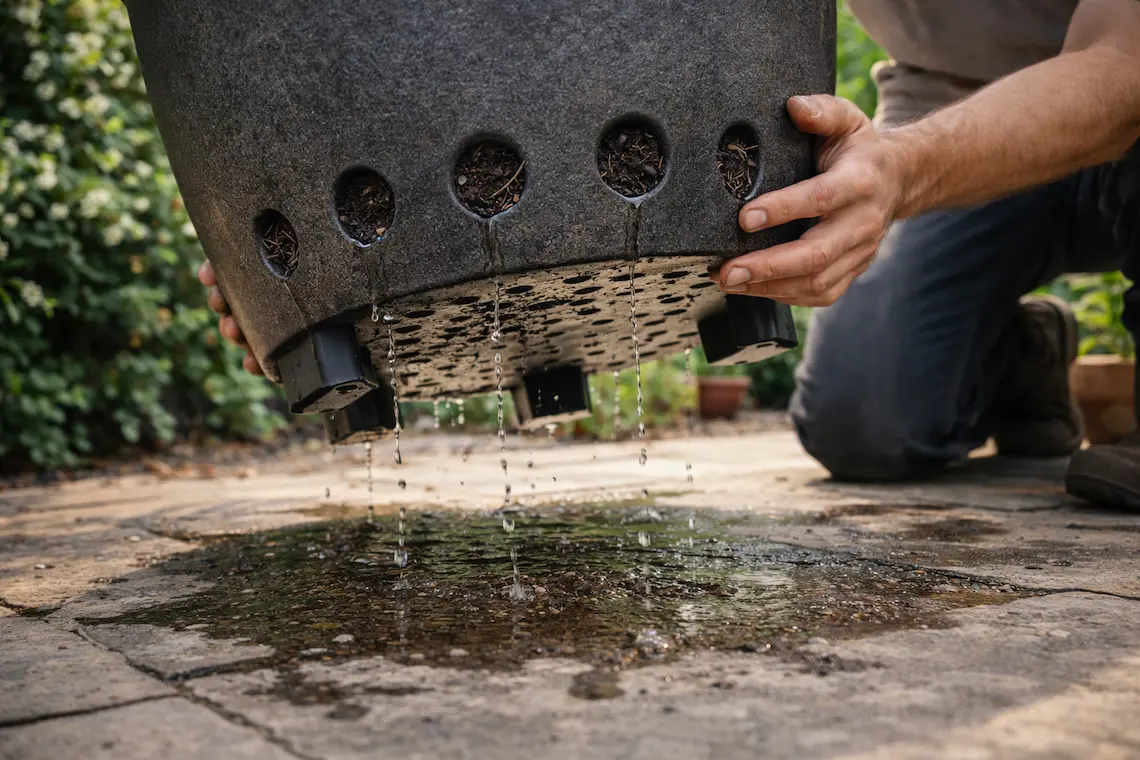
A good pot must have:
- drainage holes at the bottom
- space for excess water to escape
- well-draining soil mix
Without drainage, the soil becomes like a sponge that never dries. Roots cannot breathe. Some gardeners also use pot feet to lift the container slightly above the ground. This helps water drain faster.
Consider the Shape of the Pot
The shape of the container also affects tree growth. Tall trees often need deep containers so roots can grow downward. Wide pots work better for shrubs and spreading roots.
Some popular shapes include:
- round pots
- square planters
- rectangular containers
Many gardeners choose large black flower pots because dark containers match modern garden designs. Rectangular planters are also used for planting several small trees in a row.
Think About Weight and Stability
Large trees can become heavy over time. A strong wind can knock over a pot that is too light. This is why many gardeners choose the biggest pots made from strong materials.
For example:
- Stone or concrete pots stay stable in the wind
- Plastic pots are lighter but easier to move
If you plan to move the pot often, plastic may be better. If the tree will stay in one place, heavier pots may work well.
Indoor vs Outdoor Tree Pots
The location of the tree also matters.
Indoor Trees
Indoor trees often grow in big indoor plant pots.
These containers should have:
- drainage trays
- strong bases
- enough depth for root growth
Fiddle leaf fig, olive trees, and indoor citrus trees grow well in large containers.
Outdoor Trees
Outdoor trees need stronger containers. Weather, wind, and rain can damage weak pots.
Many gardeners choose large black pot plant containers or large plastic planters because they resist weather damage. Outdoor pots should also be frost-resistant in cold regions.
Trees That Grow Well in Large Pots
Some trees adapt well to containers.
Popular choices include:
- olive trees
- Japanese maple
- citrus trees
- dwarf apple trees
- evergreen shrubs
These trees grow slowly and adapt well to container life. In a large pot, they can grow for many years.
Common Mistakes When Choosing Tree Pots
Many beginners make simple mistakes. Here are some common ones.
Choosing a Pot That Is Too Small
A small pot limits root growth. The tree becomes weak and may stop growing.
Choosing a Pot That Is Too Large
A pot that is too large can hold too much water. Roots may sit in wet soil and start to rot.
Ignoring Drainage
Even the best pot will fail if water cannot drain.
Using Weak Containers
Thin plastic pots may crack over time. Strong materials last longer and protect the tree.
Simple Tips for Choosing the Right Pot
Here are some easy tips to follow.
- Choose a pot that is large and deep.
- Make sure the pot has drainage holes.
- Select a durable material like plastic, ceramic, or stone.
- Pick a stable pot for tall trees.
- Use good soil that drains well.
Think of a pot as a small home for the tree. If the home is comfortable, the tree will grow happily.
FAQs
What size planter do you need for a tree?
A tree needs a planter that is wide and deep enough for its roots to grow. Most trees grow well in pots that are at least 18–24 inches wide. The pot should be a few inches larger than the root ball so the roots can spread easily.
How do I prevent root rot in large pots?
Use a pot with drainage holes so extra water can escape. Choose soil that drains well and avoid watering too often. Good drainage keeps the roots healthy and prevents them from sitting in wet soil.
Can trees grow in a planter box?
Yes, many trees can grow well in a planter box if the container is large enough. The box should have deep space for roots and proper drainage. Small or slow-growing trees work best in planter boxes.
How big can trees grow in pots?
Trees in pots usually stay smaller than trees in the ground. Their size depends on the pot size and the type of tree. With large containers and good care, some trees can grow several feet tall.
What is the easiest tree to grow in a container?
Some trees grow very well in containers. Olive trees, Japanese maple, and dwarf citrus trees are popular choices. These trees grow slowly and adapt well to large pots.
Final Thoughts
Trees can grow beautifully in containers when the pot is chosen carefully. The right container gives roots space, holds soil and water, and protects the tree from stress.
Whether you choose large plant pots, trees, the largest plastic planters, or decorative ceramic containers, the goal is the same. The pot must support healthy root growth.
A good pot is like a strong foundation for a house. When the base is strong, everything above it grows well.
With the right extra large plant pots for trees, your garden can enjoy shade, color, and fresh greenery for many years.