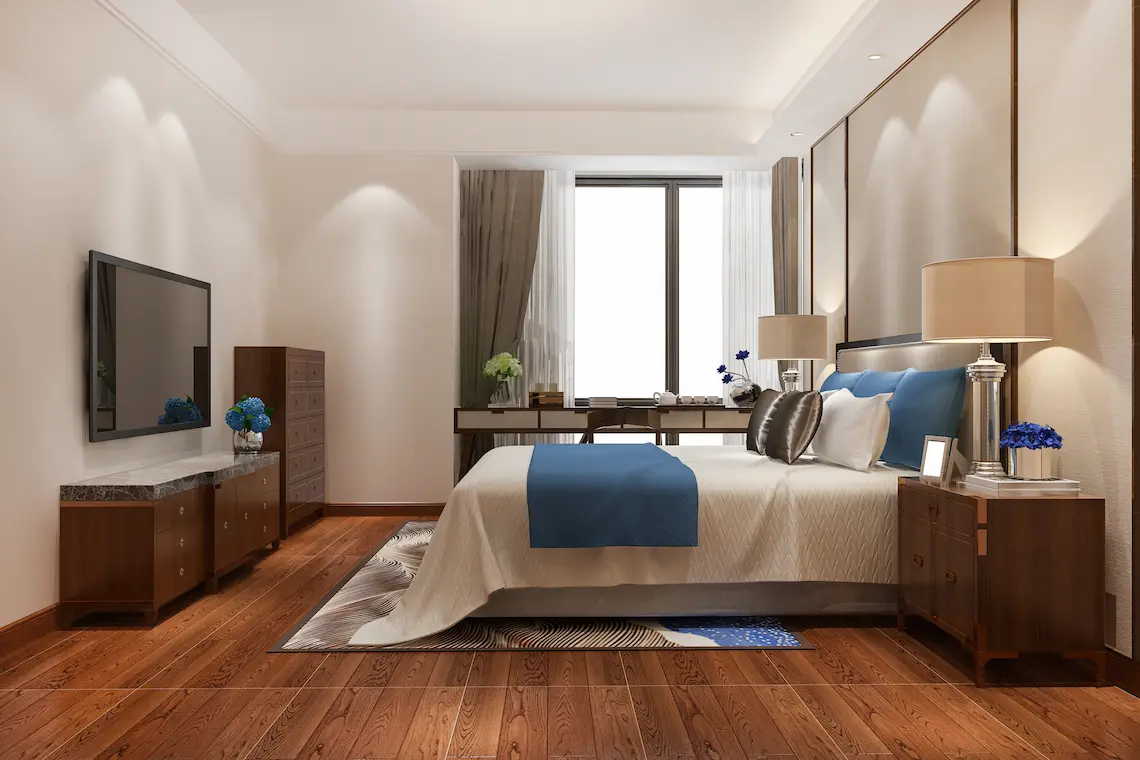

A home can feel tired even when it is clean. Walls that once looked fresh slowly lose their life, like a photo left too long in the sun. A new sofa or curtain may help, yet nothing changes a space as clearly as fresh interior paint. One weekend of painting can turn a dull room into a place that feels calm, warm, or full of light.
Interior painting is one of the simplest ways to change how a home feels without changing its structure. Fresh paint can make a room feel calm, like a quiet morning, or bright like sunlight through an open window. Old paint, on the other hand, often makes spaces feel dull and neglected. That is why interior painting plays a key role in comfort, appearance, and long-term care of a home.
What Interior Painting Really Means
Interior painting is the process of applying paint to indoor surfaces such as walls, ceilings, trims, doors, and cabinets. Over time, these surfaces face wear from hands, furniture, moisture, and sunlight. Paint works like a protective coat, shielding the surface while improving how it looks.
Paint also shapes the mood of a room. Soft colors can slow the pace of the mind, while stronger shades add life and warmth. Because people spend most of their time indoors, the quality of interior paint has a direct effect on daily comfort.
Why Interior Painting Matters for Every Home
Interior painting is not only about style. It also helps protect walls and surfaces from damage. Paint seals porous surfaces, stopping moisture from soaking in. This is especially helpful in kitchens, bathrooms, and laundry areas.
Fresh paint also affects how clean a home feels. Even a tidy room can look worn when walls are stained or faded. New paint removes that tired look, much like washing a dusty window brings light back into a room.
Homes with well-kept paint often leave a better impression on guests and buyers. Clean walls suggest care and attention, which adds value without major renovation work.
Planning Before You Start Painting

Good interior painting begins long before the first brush touches the wall. Planning helps avoid wasted time, uneven results, and extra cost. Choosing when to paint matters because humidity and temperature affect how paint dries.
Before starting, it helps to decide which rooms need painting and what finish suits each space. Measuring wall areas gives a clearer idea of how much paint is needed. This step prevents running out of paint halfway through the job or buying far too much.
Surface Preparation: The Base of Good Interior Painting
Paint only looks as good as the surface beneath it. Preparing walls is like laying a smooth road before driving on it. If the base is rough, the ride never feels right.
Cleaning the Walls Properly
Walls collect dust, oil, and marks that may not be easy to see. Washing them with mild soap and water removes dirt that blocks paint from sticking. Kitchens often hold grease, while bathrooms may have moisture marks. These areas need extra care.
Fixing Cracks and Holes
Small holes and cracks should be filled and smoothed once dry. Sanding helps blend repairs into the wall. A smooth wall allows paint to spread evenly, much like icing on a cake.
Using Primer When Needed
Primer helps paint stick better and keeps the color even. It is useful when covering dark colors, stained areas, or new drywall. Skipping primer often leads to uneven color and shorter paint life.
Choosing the Right Paint Color
Color choice shapes how a room feels at different times of the day. Light colors reflect light and make rooms feel open. Dark shades absorb light and create warmth, which works well in larger spaces.
Natural light changes throughout the day, so paint can look different in the morning than at night. Testing a small area on the wall helps avoid regret later. Like trying on shoes before buying, samples save trouble.
Understanding Paint Types and Finishes
Paint finish affects both appearance and durability. Low-shine finishes hide wall flaws but may mark easily. Slightly shiny finishes clean more easily and suit busy areas.
Bedrooms and living rooms often work well with softer finishes. Kitchens, bathrooms, and hallways need stronger finishes that resist moisture and frequent cleaning. Choosing the right finish helps paint last longer and look better over time.
The Interior Painting Process Explained Simply
Painting works best when done in a steady order. Rushing often leads to visible marks and uneven color.
Cutting In and Rolling
Edges and corners should be painted first so larger areas blend smoothly. Rolling paint across the wall should feel even and controlled. Keeping paint wet while working helps avoid lines, like smoothing wet clay before it dries.
Applying Multiple Coats
One coat rarely gives full coverage. The first coat sets the base, while the second coat brings depth and richness. Allowing proper drying time between coats keeps paint from peeling or streaking.
Interior Painting for Different Rooms
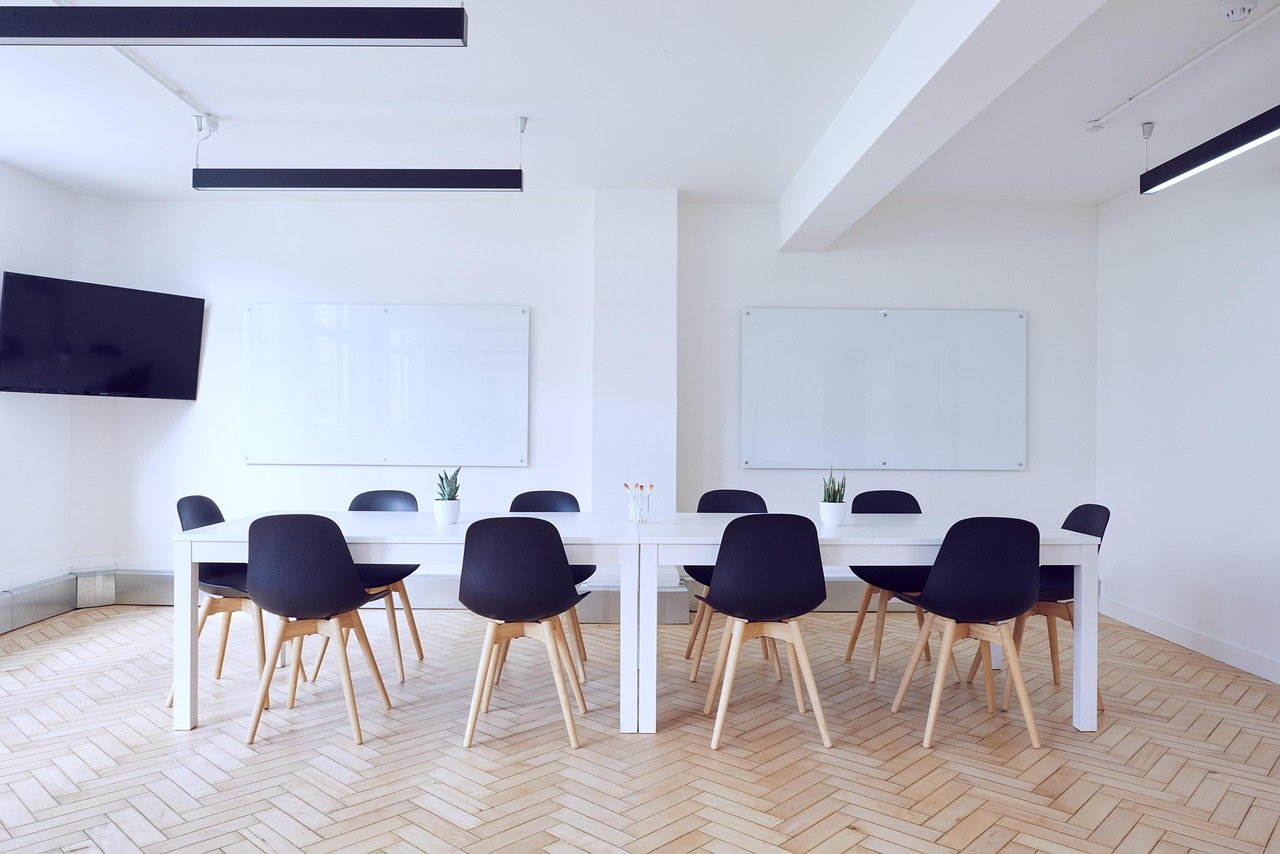
Each room in a home faces different conditions, so paint choices should match how the space is used.
Living Rooms and Bedrooms
These rooms benefit from calm colors and smooth finishes. Softer tones help the space feel restful and welcoming.
Kitchens and Bathrooms
Moisture and heat affect paint in these rooms. Using paint made for these conditions helps prevent peeling and staining.
Hallways and Staircases
These areas face constant contact. Strong finishes help walls stay clean and neat despite frequent use.
Common Interior Painting Problems and How to Avoid Them
Many painting problems start with skipped preparation or rushed work. Streaks often appear when paint dries too fast. Peeling usually comes from dirty or damp walls. Bubbles form when moisture is trapped under paint.
Taking time to clean, dry, and prepare surfaces helps avoid these issues. Fixing small mistakes early prevents larger problems later.
Interior Painting Cost and Time Expectations
Interior painting costs depend on room size, paint quality, and surface condition. Doing the work yourself costs less but takes time and effort. Hiring professionals costs more but saves energy and often delivers faster results.
A single room may take a full day or two, while a whole house may take over a week. Planning time properly reduces stress and unfinished work.
Safety During Interior Painting
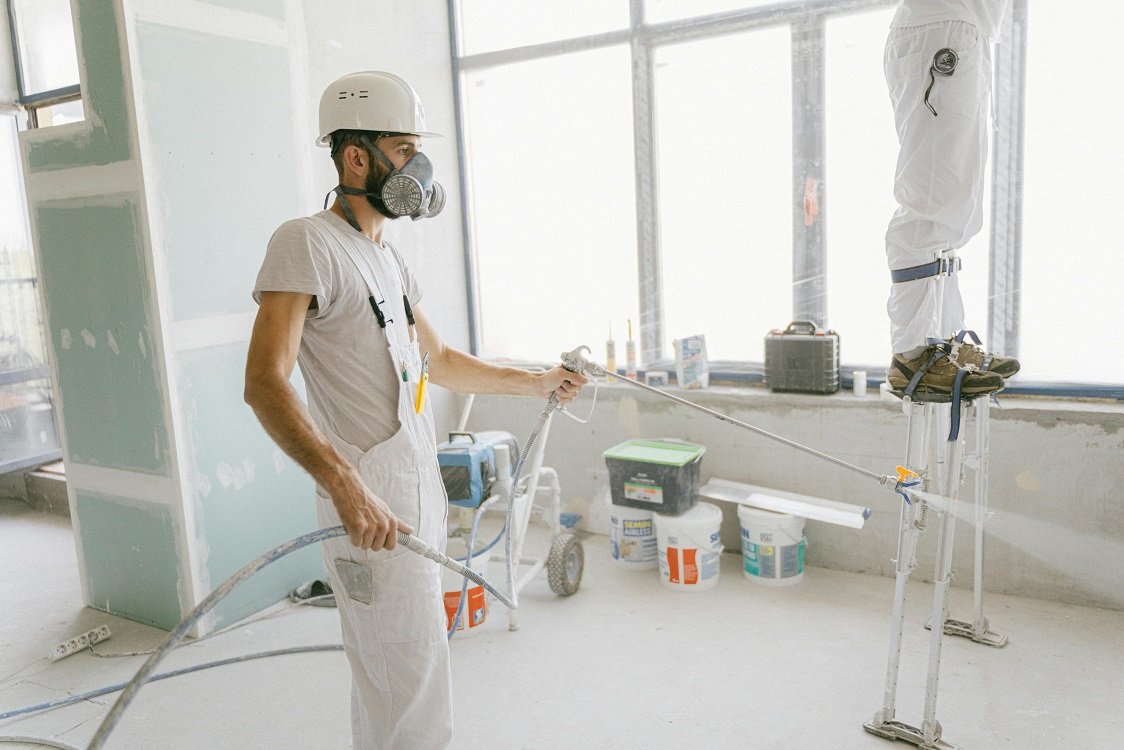
Paint fumes can build up in closed spaces. Fresh air helps keep the space comfortable. Low-VOC paints reduce strong smells and are safer for indoor use.
Wearing gloves protects skin, and masks help during sanding or long painting sessions. Children and pets should stay away until the paint dries fully.
Keeping Interior Paint Looking Fresh
Paint lasts longer with gentle care. Cleaning marks early prevents stains from setting in. Moisture control in bathrooms and kitchens protects paint from damage.
Small touch-ups keep walls looking neat without full repainting. Care like this helps paint stay fresh for years.
FAQs
How often should interior painting be done?
Most homes need repainting every five to seven years, depending on use.
Can I paint over old paint?
Yes, if the surface is clean and stable. Primer helps when changing colors.
Does interior paint smell last long?
Low-VOC paint and fresh air help smells fade quickly.
Which rooms need special paint?
Bathrooms and kitchens need paint that handles moisture well.
Is interior painting worth doing yourself?
Yes, with time and patience. Planning and preparation make a big difference.
Conclusion
Interior painting is not just about changing color. It is about caring for the space where daily life happens. When walls are cleaned, prepared, and painted with the right choices, a home feels lighter and more welcoming. Each step, from planning to the final coat, works together like pieces of a puzzle to create a smooth and lasting result.
With patience and steady work, interior painting becomes less stressful and more rewarding. A well-painted room stays fresh for years and continues to bring comfort every day. Taking the time to do it right helps turn simple walls into a quiet background that supports the life lived inside the home.